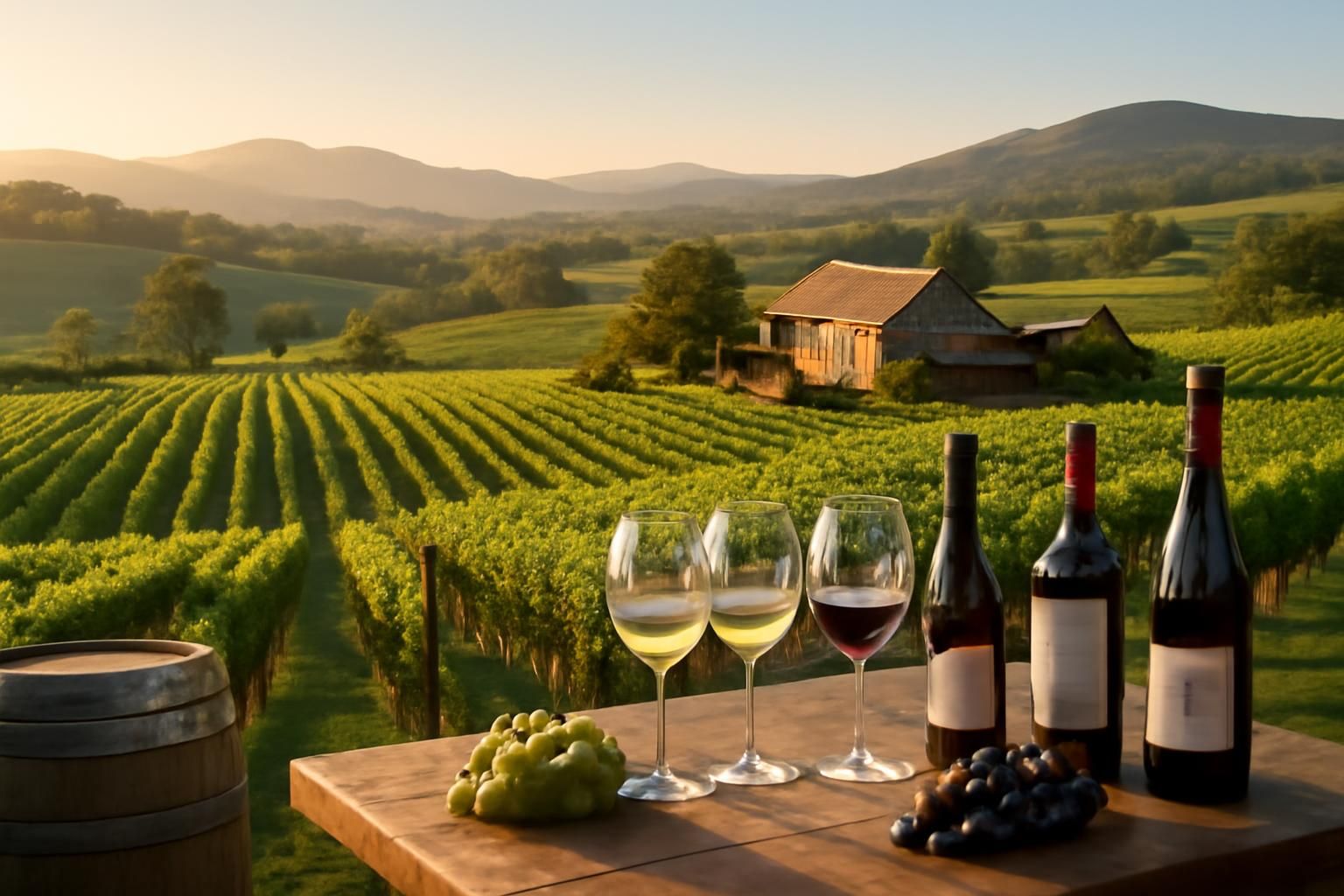
The Gippsland region, renowned for its diverse landscapes and rich agricultural heritage, offers some of the most exceptional winery experiences in Australia. Nestled between the rolling hills, coastal plains, and lush valleys, Gippsland wineries have gained significant acclaim for their high-quality wines and captivating cellar doors. This area is a haven for wine enthusiasts seeking a combination of spectacular scenery, exceptional wine tasting, and authentic vineyard tours. Whether you’re a seasoned oenophile or a curious traveler, exploring the best wineries Gippsland has to offer unveils a treasure trove of flavors and stories deeply rooted in the terroir.
Rich volcanic soils, coupled with Gippsland’s temperate maritime climate, create optimal conditions for growing a variety of grape types, including Pinot Noir, Chardonnay, and Shiraz. The commitment of local winemakers to sustainability and artisan craftsmanship shines through their award-winning selections. In addition to wine tasting Gippsland is known for an inviting atmosphere at cellar doors, where visitors enjoy personalized attention and a glimpse into the winemaking process. Whether you prefer intimate boutique wineries or larger estates with extensive facilities, the Gippsland wine regions cater to an array of preferences and interests.
For those planning an immersive experience, Gippsland wine tours are an excellent way to discover multiple vineyards in a single day. These tours underpin a deeper understanding of the region’s wine culture, lasting impressions of the natural beauty, and engaging conversations with passionate vintners. From sparkling wines and robust reds to delicate whites, the diversity of Gippsland vineyards enhances the appeal of each visit. The following exploration covers the top wineries Gippsland wine lovers cannot afford to miss in their journey, ensuring a memorable and enriching adventure.
Top Gippsland wineries showcasing regional excellence
Among the numerous wineries to visit Gippsland, certain estates stand out for their exceptional quality, history, and visitor experiences. The success of these top Gippsland wineries stems not only from their award-winning wines but also from immersive cellar door experiences that highlight their regional character and artisanal production methods.
One such standout is the iconic Dal Zotto Wines, a family-run vineyard recognized for its Italian heritage and dedication to traditional winemaking techniques. Its cool climate produces sparkling and Pinot Gris varieties with complex flavors. Visitors enjoy guided tours that reveal hand-harvesting methods and barrel ageing processes. The estate also offers exquisite food pairings, enhancing the wine tasting Gippsland experience.
Another celebrated name is the Leongatha Estate, situated amid picturesque rolling hills. This estate is known for its small-batch, handcrafted wines that emphasize sustainability and organic farming practices. The cellar door invites visitors to sample Shiraz, Cabernet Sauvignon, and Chardonnay, often paired with local artisanal cheeses and charcuterie. The estate’s commitment to biodynamic viticulture exemplifies the innovation found in Gippsland wine regions.
For a different perspective, Albert River Wines offers an intimate setting alongside the Albert River, where guests can enjoy tranquil vineyard views as they sip cool climate varietals. This winery’s portfolio is notable for rich Pinot Noir and aromatic Riesling, reflecting the region’s diverse microclimates. Oak barrel tastings and seasonal events add to the allure of this top Gippsland winery experience.
These estates represent just a fraction of the options available but underscore the richness of Gippsland’s wine culture. Together, they emphasize the region’s reputation for quality, diversity, and an authentic connection to the land.
Exploring vineyard diversity on Gippsland wine tours
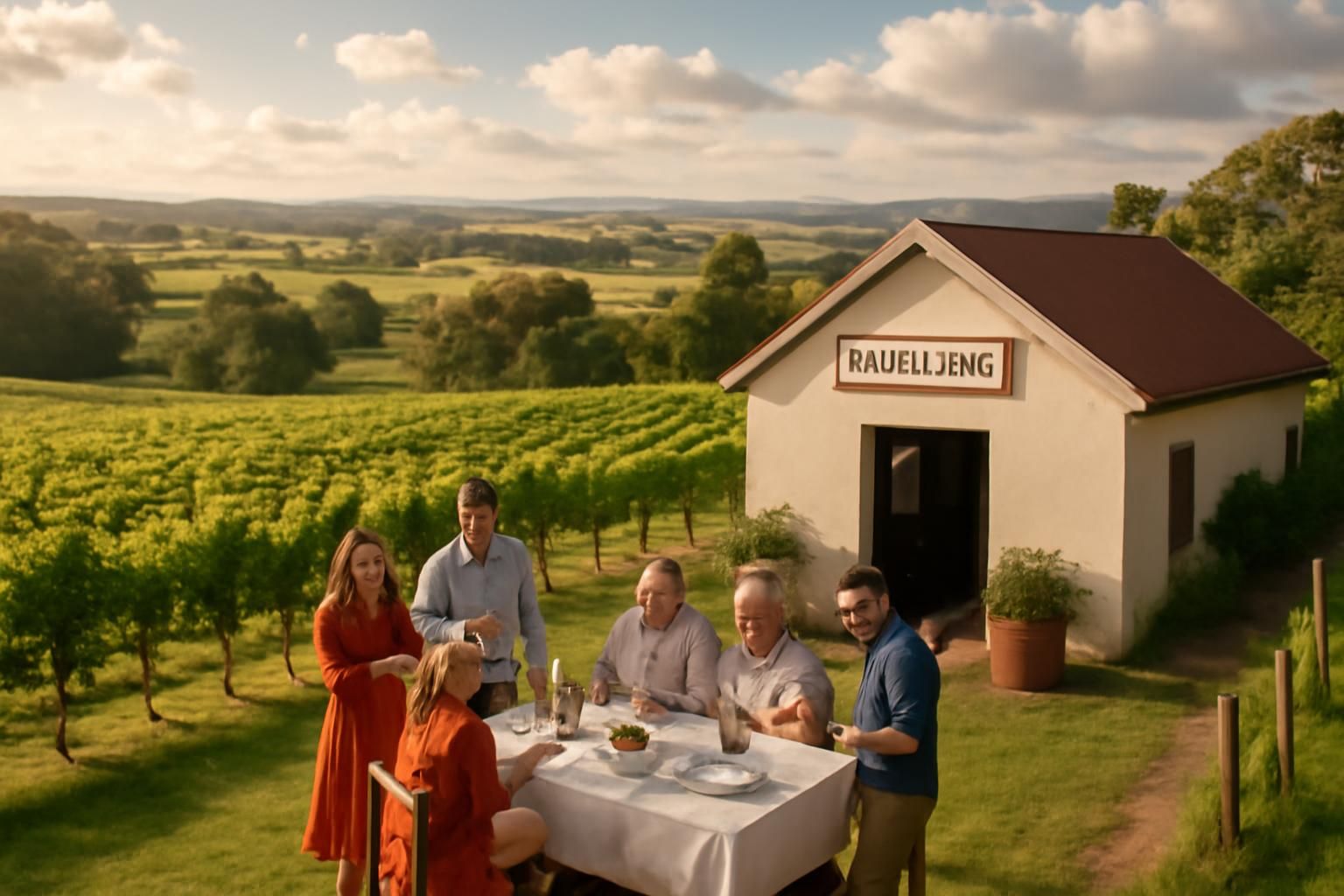
Gippsland wine tours offer a curated pathway through one of Australia’s most diverse and scenic wine regions. These tours provide visitors with not only an opportunity to taste exceptional wines but also insights into distinct terroirs, winemaking philosophies, and vineyard management techniques. Organized by local guides or independent services, the tours are designed to suit different interests and levels of wine knowledge.
The tourism format varies from small group experiences to private excursions, each optimizing the interaction between guests and winemakers. A typical tour might commence at a classic cellar door with tastings of sparkling and white wines, continue to boutique vineyards specializing in pinot noir and burgundy grapes, and finish at a larger estate offering in-depth behind-the-scenes tours of the winemaking equipment and barrel rooms. This holistic engagement builds knowledge and appreciation of Gippsland vineyards, embodying the essence of winery experiences Gippsland offers.
Furthermore, some tours incorporate gourmet lunches at vineyard restaurants, where the produce from local farms complements the tasting selections perfectly. Seasonal events such as harvest festivals or winemaking masterclasses elevate the visitor’s connection to the wine regions. These immersive tours underscore the importance of terroir, climate, and sustainable practices that shape Gippsland’s winemaking identity.
Visitors return not only with bottles of prized vintages but with stories of passionate winemakers, traditional craftsmanship, and the natural beauty of Gippsland’s landscape. Discovering Gippsland through these wine tours enriches the travel experience and deepens appreciation for its viticultural heritage.
Gippsland cellar doors: engaging spaces for wine tasting Gippsland style
The doors to Gippsland’s wineries open more than just barrels; they unlock friendly, interactive, and educational experiences that define Gippsland cellar doors. Unlike some large wine regions where visits can feel rushed or commercialized, Gippsland cellar doors emphasize personalized service and storytelling. This engagement turns a simple wine tasting into an unforgettable journey through the vineyard’s history, grape varieties, and winemaking techniques.
Seasonal tastings encourage visitors to explore varietals alongside tasting notes carefully curated by experienced sommeliers. The welcoming ambiance often includes rustic architecture, handcrafted furnishings, and thoughtfully designed tasting rooms that reflect the winery’s ethos. Combining these with gourmet platters featuring local specialties showcases Gippsland’s farm-to-table culture.
Cellar doors frequently host wine release events, pairing dinners, and workshops, providing ongoing opportunities for locals and tourists to deepen their involvement in the Gippsland wine regions. In particular, the focus on sustainable and organic practices allows visitors to appreciate the ethical dimension of the winemaking process firsthand. For many, these direct connections foster a lasting affinity for Gippsland’s wineries to visit Gippsland region repeatedly.
Along with the sensory indulgence, cellar door visits often include guided vineyard walks where winemakers share their philosophy and vineyard management techniques to nurture grapes to perfection. This transparency strengthens the reputation of Gippsland cellar doors as hubs of both learning and leisure.
Wine styles and varietals defining Gippsland vineyards’ uniqueness
The identity of any wine region is partly defined by the distinctive wine styles and grape varietals developed over time. In Gippsland, the combination of geographical location, climate, and soil diversity results in wines with remarkable personality and balance. Understanding these varietals expands appreciation for why Gippsland stands among Australia’s premier wine regions.
Pinot Noir and Chardonnay dominate, thriving in Gippsland’s cool climate, producing finely structured reds and restrained but complex whites. These grapes yield wines celebrated for their vibrant acidity, delicate fruit notes, and aging potential. For example, Dal Zotto’s sparkling wines made from Pinot Noir and Chardonnay compete internationally with Champagne-style vintages.
Riesling is another signature variety, offering fresh, citrus-driven whites with floral aromatics. Some vineyards experiment with aromatic whites such as Gewürztraminer and Sauvignon Blanc, ensuring diversity among varietals. On the red front, Shiraz and Cabernet Sauvignon plantations flourish in warmer zones, crafting richer, full-bodied wines with dark fruit and spice undertones.
Table: Common Varietals and Characteristics in Gippsland Vineyards
| Varietal | Wine Style | Typical Flavors | Best Pairings |
|---|---|---|---|
| Pinot Noir | Light to medium-bodied red | Red berries, earthy, spicy | Game meats, mushroom dishes |
| Chardonnay | Crisp to buttery white | Apple, citrus, oak | Seafood, poultry |
| Riesling | Dry to semi-sweet white | Citrus, floral, mineral | Spicy Asian cuisine, light cheeses |
| Shiraz | Full-bodied red | Blackberries, pepper, smoke | Grilled meats, rich sauces |
| Cabernet Sauvignon | Full-bodied red | Blackcurrant, tobacco, cedar | Red meats, hard cheeses |
This repertoire of varietals highlights Gippsland’s dynamic viticultural landscape. The region’s winemakers continuously refine techniques to enhance the expression of each grape’s character, adding to the allure of their wines and contributing to Gippsland wine regions becoming internationally respected.
Planning a visit: tips for maximizing your winery experiences Gippsland offers
Strategizing your visit to Gippsland wineries ensures a fulfilling and enjoyable adventure, whether it’s your first time exploring the area or a repeated journey. Several practical factors influence the overall experience and help visitors make the most of their exploration of Gippsland vineyards and cellar doors.
First, timing is a critical factor. Spring and autumn offer mild weather and vibrant scenery, ideal for outdoor tastings and vineyard walks. Harvest season, typically in late summer, provides a unique opportunity to witness grape picking and winemaking activities firsthand. Booking appointments ahead of time is recommended, especially for popular wineries or group tours, to guarantee access and personalized service.
Transportation is another consideration. Many visitors prefer joining organized Gippsland wine tours to avoid driving between wineries and to gain richer insights from knowledgeable guides. Alternatively, hiring a local driver or using ride-share services allows flexibility while maintaining safety.
Complementing tastings with local gastronomic experiences amplifies appreciation for regional products. Numerous wineries have on-site restaurants or partner with nearby eateries offering farm-to-table menus, emphasizing Gippsland’s culinary diversity. Combining wine and food elevates palate sensitivity and enjoyment, framing wines within the context of local flavors.
Lastly, keep in mind the importance of pacing. Sampling a variety of wines is part of the joy, but managing consumption ensures a clearer and more memorable journey. Using spittoons where available and hydrating regularly maintain balance throughout the day.
- Book winery visits in advance for preferred time slots and tours
- Choose grape varietals or wine styles you wish to explore to tailor your tastings
- Participate in seasonal events like harvest festivals or masterclasses
- Consider wine tours with expert guides to deepen knowledge and ease logistics
- Pair wines with local cuisine at cellar door restaurants or nearby eateries
Adhering to these tips maximizes the pleasures of Gippsland’s renowned winery experiences Gippsland cultivates.
When is the best time to visit Gippsland wineries?
The ideal time to visit Gippsland wineries is during spring and autumn, when the weather is mild and the vineyards are particularly picturesque. Harvest season in late summer also offers opportunities to observe winemaking in action.
Do Gippsland wineries offer tours and tastings daily?
Most Gippsland wineries offer tours and tastings daily but it is recommended to book in advance, especially for popular estates or specialized experiences to ensure availability.
What types of wines are Gippsland wineries known for?
Gippsland wineries are especially known for cool climate varieties such as Pinot Noir, Chardonnay, and sparkling wines, along with robust red varietals like Shiraz and Cabernet Sauvignon.
Are there sustainable or organic wineries in Gippsland?
Yes, many wineries in Gippsland emphasize sustainable and organic viticulture, reflecting a strong commitment to environmental stewardship and quality production.
Can I combine Gippsland wine tours with local food experiences?
Definitely. Numerous wineries have on-site restaurants or collaborate with local producers to offer farm-to-table dining that perfectly complements wine tasting sessions.