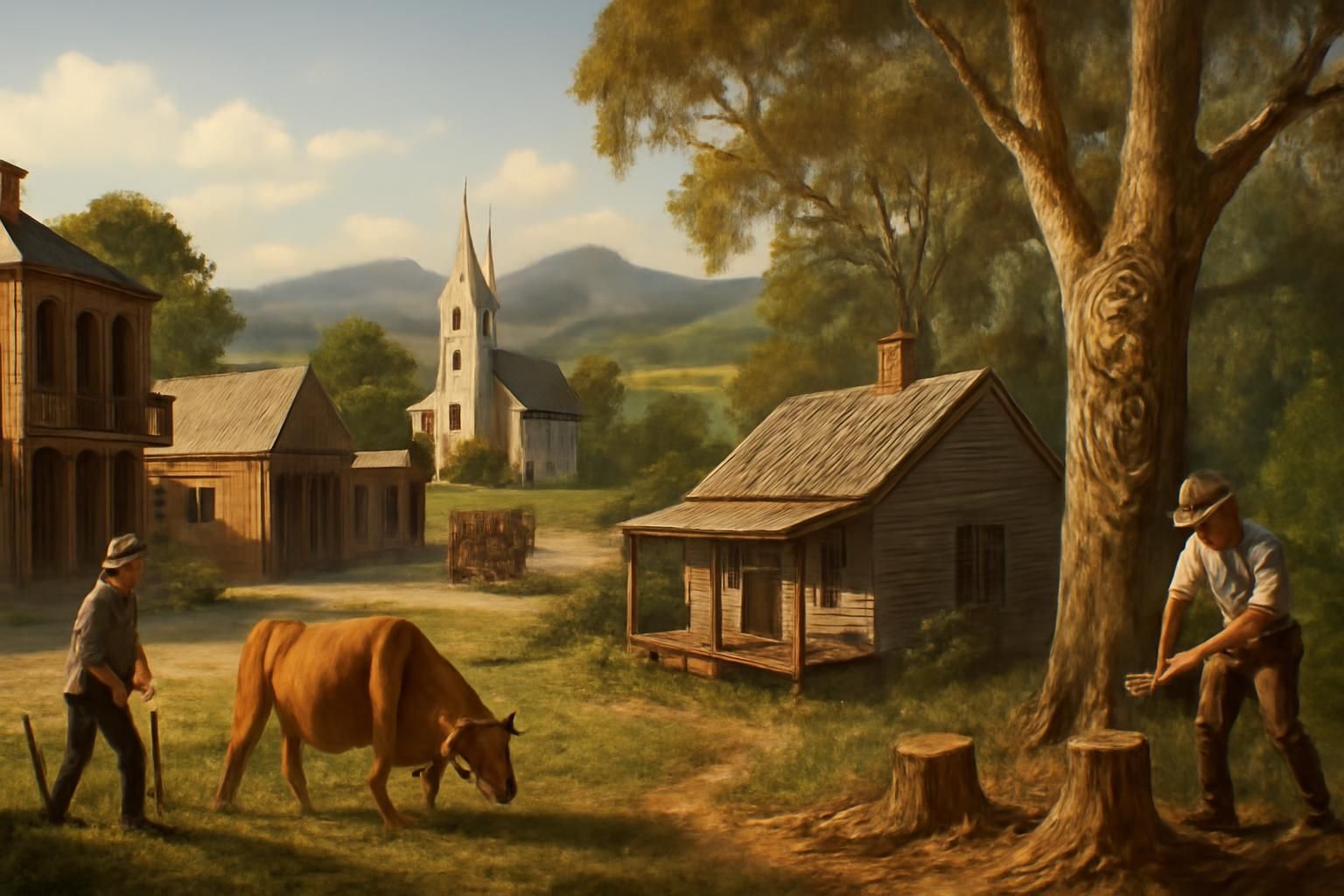
Gippsland, a captivating region in southeastern Victoria, Australia, is renowned for its rich tapestry of history, heritage, and vibrant towns that echo tales of indigenous culture and colonial settlement. Spanning over 41,556 square kilometers, Gippsland’s blend of lush landscapes and historic sites offers an immersive journey through time. From the traditional custodianship of the Gunai and Bunurong peoples to the waves of European pioneers, the area reveals layers of cultural significance and architectural marvels. Visitors exploring this realm can discover an interwoven story of mining, farming, and growing communities that continue to shape Gippsland’s identity today.
Brimming with unique landmarks and preserved historical towns, Gippsland is a gateway to Australia’s past. The legacy of early explorers like Paweł Edmund Strzelecki and Angus McMillan lingers in place names and local lore. Meanwhile, the region’s heritage sites, such as Old Gippstown and the Walhalla Historic Township, bring colonial architecture and stories of gold rushes vividly to life. In 2026, despite challenges like the postponed Commonwealth Games, Gippsland continues to thrive as a cultural hub, attracting history buffs and nature enthusiasts alike who seek to engage deeply with its heritage and scenic beauty.
This article delves into five detailed aspects of Gippsland’s towns, exploring their settlement history, indigenous influences, architectural heritage, key landmarks, and ongoing community efforts to preserve their rich cultural narratives.
Key Highlights:
- Gippsland’s history is rooted in both the Gunai and Bunurong indigenous cultures and European colonial explorations.
- The region’s towns showcase a diverse array of heritage architecture, from 19th-century gold mining settlements to historic farming communities.
- Prominent landmarks include Old Gippstown, Walhalla Historic Township, and the Port Albert Maritime Museum, each telling unique chapters of Gippsland’s development.
- Protected national parks and cultural trails enrich the connection between natural heritage and human history.
- Gippsland continues to cultivate its identity through community heritage projects and tourism, integrating its historical roots with contemporary culture.
The Roots of Gippsland’s Settlement and Indigenous Heritage
The history of Gippsland is fundamentally intertwined with its original custodians, the Indigenous Australians of the Gunai and Bunurong nations. These groups managed and thrived on the land for thousands of years before European colonization. Their cultural and spiritual connection to Gippsland’s diverse landscapes—ranging from coastal plains and forests to alpine regions—is evident in enduring cultural sites along the renowned Bataluk Cultural Trail. This trail comprises twelve key areas that include artefact scatters, scarred trees, shell middens, and axe grinding grooves, providing tangible insight into their Dreamtime heritage and traditions.
European settlement began in earnest in the 1830s and 1840s with explorers like Samuel Anderson, a Scottish immigrant who established an agricultural squatting settlement along the Bass River in 1835. Alongside Anderson’s pioneering efforts, Polish explorer Paweł Edmund Strzelecki’s expeditions named numerous geographic features and ultimately coined the name “Gippsland” to honor then New South Wales Governor George Gipps. Meanwhile, Angus McMillan’s expeditions contributed to mapping and the controversial colonial narrative naming the region “Caledonia Australis,” reflecting a European understanding imposed on the Gunai country.
The interplay between indigenous custodianship and colonial expansion shaped many of the towns in Gippsland. Colonizers cleared vast tracts of fertile but nitrogen-deficient soil to develop farms that would support rapid growth in dairy, potato farming, and grazing. This settlement process, particularly in South Gippsland during the late 1870s, is chronicled in literature such as The Land of the Lyre Bird (1920), capturing the hardship and pioneering spirit of early European settlers juxtaposed with ongoing indigenous presence.
Understanding this layered settlement history is crucial when visiting heritage towns today, as many historic sites feature interpretative displays and cultural programs that honor both the Aboriginal and colonial narratives. Aboriginal cultural heritage organizations, coupled with local historical societies like those behind the Combined Gippsland History Database, actively engage in preserving and sharing these stories through exhibitions and education.
Architectural Heritage: From Gold Rush Towns to Agricultural Communities
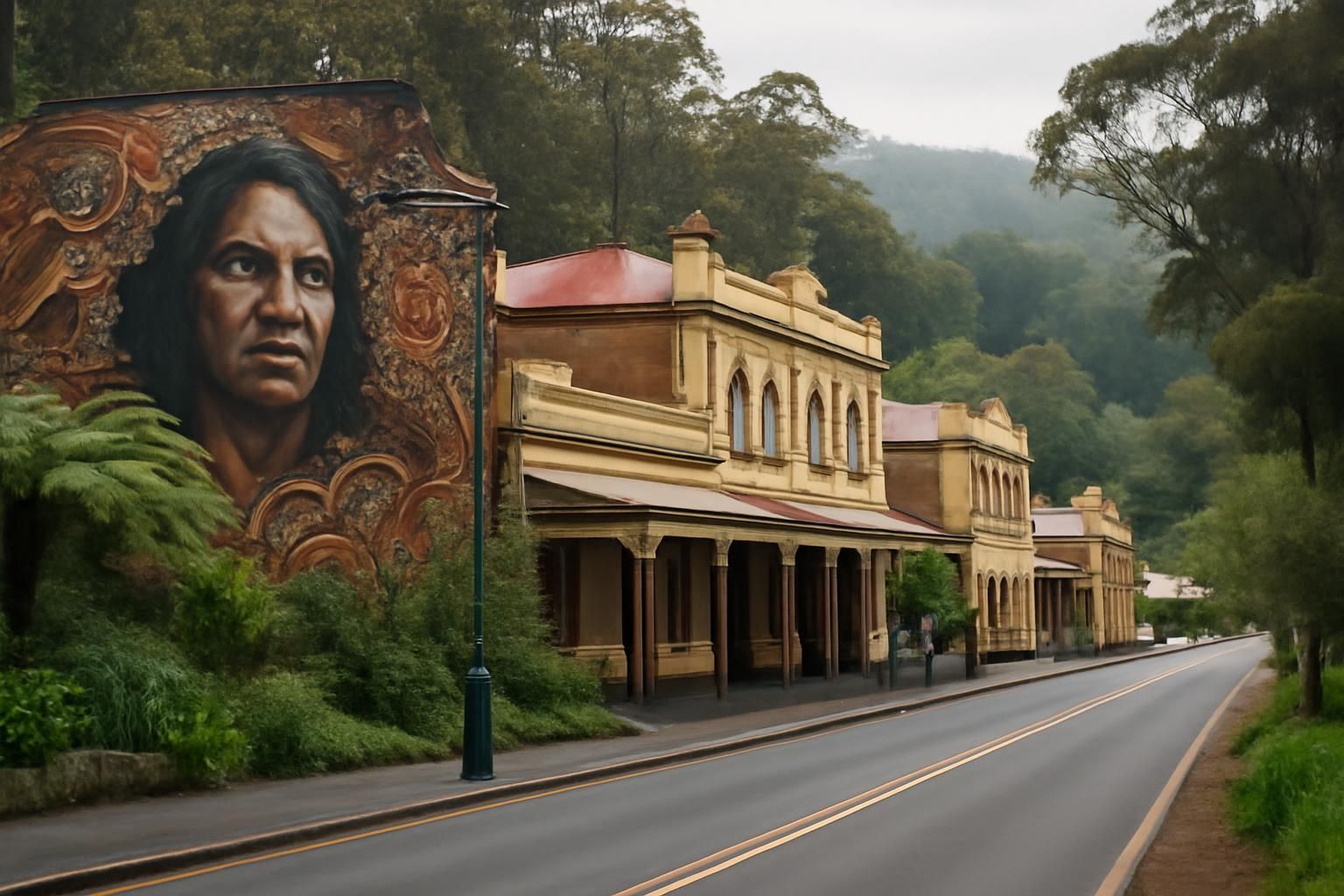
The towns of Gippsland are rich exhibitions of colonial architecture, reflecting their historic roles in mining, agriculture, and transport. One of the most evocative sites is Old Gippstown, located in Moe. Old Gippstown serves as a living museum, presenting an authentic 19th-century township complete with original buildings, industrial machinery, and traditional crafts such as blacksmithing and dressmaking depicted in period settings. This historical village offers a vivid glimpse into how these communities lived, worked, and celebrated, preserving details of Gippsland’s colonial architecture and lifestyle.
Historic gold mining towns like Walhalla epitomize Gippsland’s vibrant past during the gold rush era. Nestled in a steep valley, Walhalla retains several original buildings clinging to its rugged landscape. Visitors can explore the Long Tunnel Extended Gold Mine, once one of Victoria’s richest mines, or experience the Walhalla Goldfields Railway traversing the scenic Stringers Creek gorge. These experiences combine history, engineering heritage, and natural beauty, offering compelling narratives of technological advancement and frontier life.
South Gippsland and Latrobe Valley towns, like Warragul and Moe, showcase a mix of rural Victorian-era civic structures, railway stations, and early commercial architecture. The heritage walks mapped out in these towns highlight buildings that have served various community functions over the decades, from Mechanics Institutes to local pubs and general stores. These preserved environments tell a story of a developing community adjusting from resource extraction to vibrant agricultural practices and regional commerce.
The preservation of these towns with their diverse architectural heritage enhances our understanding of Gippsland’s social fabric and economic transformations. Engaging with heritage tours and architecture-led walks, such as those outlined in heritage walks of regional Victoria, allows visitors to decipher the historical layers and appreciate the craftsmanship and community life of Gippsland’s evolving towns.
Landmarks That Define Gippsland’s Historical Identity
Gippsland’s heritage is further highlighted through an impressive array of landmarks that broadcast stories of exploration, industry, and cultural amalgamation. The Port Albert Maritime Museum stands out as a pivotal repository of the region’s maritime history. Settled in 1841 following the wreck of the paddle steamer Clonmel, Port Albert became the original gateway for Gippsland’s cattle trade and gold transport. The museum exhibits include artefacts from the Clonmel, fishing memorabilia, and displays highlighting Port Albert’s significance in Gippsland’s gold rush and shipping history.
National parks such as Wilsons Promontory and Baw Baw offer both natural grandeur and cultural heritage. The Baw Baw Plateau, with its alpine herbfields and snow gum woodlands, is not only a site of ecological importance but a traditional Aboriginal land with a name meaning “echo.” These parks preserve Gippsland’s ancient environment and serve as living museums for the flora and fauna that have sustained indigenous and colonial communities alike. Conservation efforts integrate heritage protection with tourism and outdoor recreation, enriching the visitor experience.
The iconic Gippsland Lakes, with their intricate waterway system, have been central to local indigenous life and European settlement success. The lakes remain a playground for tourism while being a living symbol of cultural continuity and environmental stewardship.
Better known heritage trails such as the Bataluk Cultural Trail and the Briagolong Historic Town Walk provide marked routes to explore the significant sites and stories of Gippsland’s past. These trails underline how landmarks are not only physical structures but also gateways to narratives of cultural survival, adaptation, and community resilience.
Community Efforts in Preserving Gippsland’s Cultural and Historical Legacy
Preserving Gippsland’s heritage is a dynamic effort driven largely by community groups, local councils, and dedicated volunteers. Institutions like the Morwell Historical Society play a vital role in managing archives, organizing educational programs, and maintaining historical sites. Through initiatives such as the Combined Gippsland History Database, these organizations compile and digitize records from various local historical societies, making Gippsland’s collective memory accessible to the public and researchers.
The conservation of heritage buildings also involves careful restoration projects, often relying on traditional craftsmanship adapted to modern preservation methods. In towns like Moe, restoration of historical buildings within Old Gippstown exemplifies this blend of past and present. Many of these projects also serve as venues for community events, fostering a living connection with the area’s history.
Moreover, heritage tourism has become an instrumental part of Gippsland’s economy. Towns actively develop cultural tourism offerings such as heritage festivals, guided tours, and interpretative centers to attract visitors and educate residents. Balancing tourism with conservation remains a constant challenge but provides opportunities for sustainable economic growth and cultural pride.
Local indigenous groups continue to assert their role as custodians of Gippsland’s oldest heritage. Collaborations with cultural organizations enable indigenous-led storytelling and educational programs that enhance understanding and respect for Aboriginal history within the broader community.
Sustaining Gippsland’s history in 2026 and beyond will require a collaborative approach embracing the stories of its indigenous peoples, colonial settlers, and contemporary residents, ensuring that the heritage of its towns thrives as a vibrant, educational resource.
Exploring Gippsland’s Heritage Towns: Highlights and Must-Visit Destinations
Visitors eager to experience Gippsland’s heritage firsthand will find a variety of towns rich with history, culture, and natural beauty. Below is a curated list of towns and attractions that capture the essence of Gippsland’s past and contemporary spirit:
- Moe – Home to Old Gippstown, featuring authentic historical buildings from the 1850s and displays of agricultural and industrial heritage.
- Walhalla – The quintessential gold rush town with preserved mining sites, the Long Tunnel Extended Gold Mine tours, and the Walhalla Goldfields Railway.
- Port Albert – A maritime heritage hub with a museum detailing Gippsland’s shipping and gold transport history.
- Briagolong – Offering a historic town walk that highlights Victorian-era architecture and community landmarks.
- Sale – Gateway to the Gippsland Lakes and a center for indigenous cultural trails like the Bataluk Cultural Trail.
| Town | Heritage Highlights | Type of Heritage | Visitor Experience |
|---|---|---|---|
| Moe | Old Gippstown Historical Village | Colonial & Agricultural | Museum, Historical Buildings, Recreations |
| Walhalla | Gold Rush Mine & Railway | Mining & Transport | Mine Tours, Scenic Railway, Historical Walks |
| Port Albert | Maritime Museum and Shipping History | Maritime & Settlement | Exhibits, Artifacts, Guided Tours |
| Briagolong | Historic Town Walk | Victorian Architecture | Self-Guided Walks, Interpretative Signage |
| Sale | Bataluk Cultural Trail | Indigenous Heritage | Cultural Tours, Educational Programs |
Engaging with these towns not only immerses visitors in Gippsland’s rich history but also supports ongoing heritage protection and cultural tourism development. For more detailed information and travel tips, resources like historical towns attractions and official guides to Gippsland provide comprehensive insights.
Who were the original inhabitants of Gippsland?
The original inhabitants of Gippsland are the Indigenous Australians of the Gunai and Bunurong nations, who have a longstanding cultural and spiritual connection to the land, with many significant heritage sites still preserved today.
What role did the gold rush play in shaping Gippsland’s towns?
The gold rush, particularly in towns like Walhalla, was pivotal for Gippsland’s development, bringing economic growth, population influx, and the establishment of mining infrastructure which shaped the region’s cultural and architectural heritage.
What are some famous heritage sites to visit in Gippsland?
Notable sites include Old Gippstown in Moe, Walhalla Historic Township, the Port Albert Maritime Museum, and the Bataluk Cultural Trail—each offers unique insights into Gippsland’s indigenous, colonial, maritime, and mining history.
How is Gippsland preserving its history in modern times?
Community organizations, local governments, and indigenous groups collaborate on heritage conservation, educational programs, digital archives, and cultural tourism to sustain and celebrate the region’s diverse history.
Can visitors explore indigenous heritage in Gippsland?
Yes, through cultural trails like the Bataluk Cultural Trail, museums, and community-led programs that educate about the Gunai and Bunurong peoples’ heritage and ongoing connection to the land.