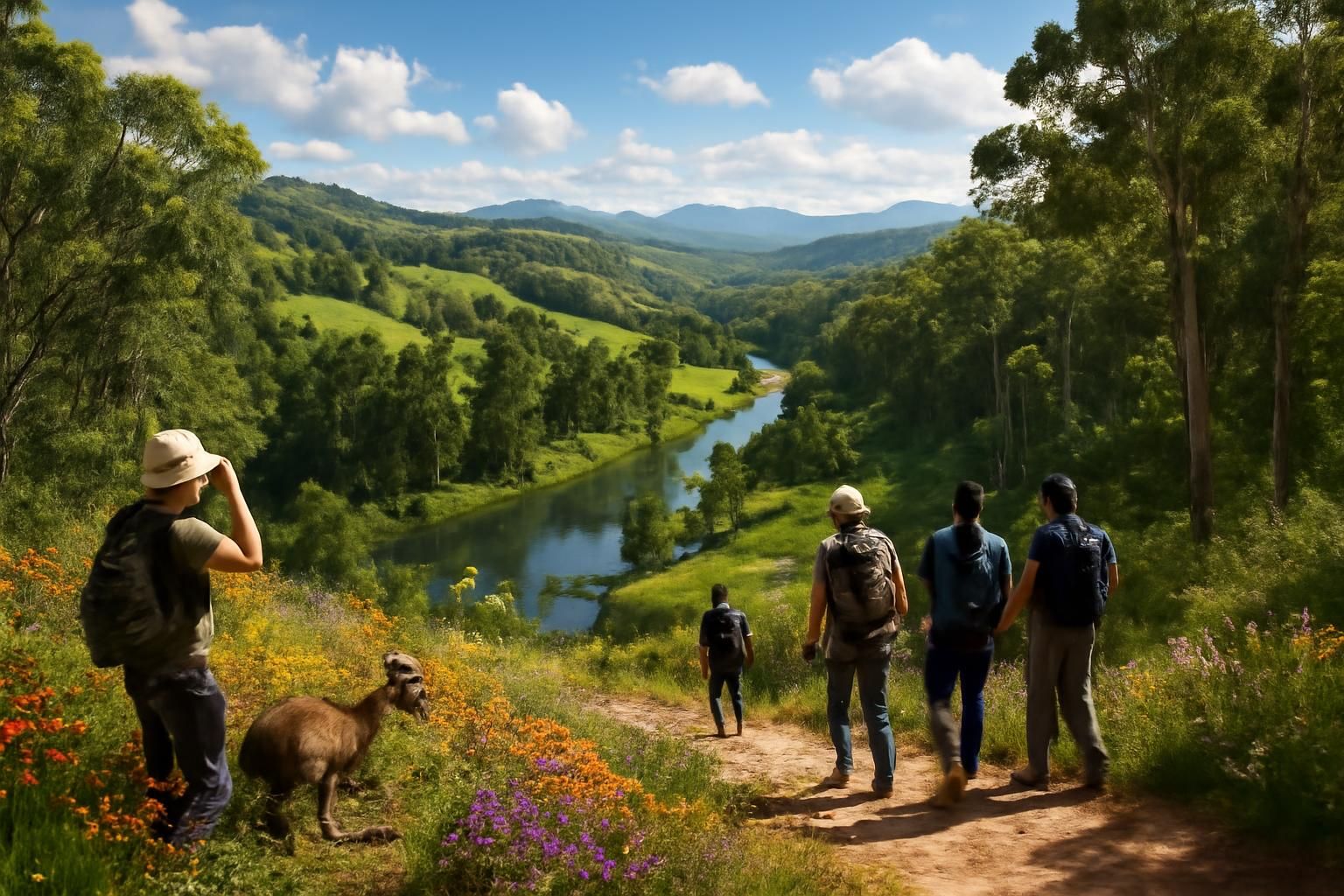
Gippsland, located in the eastern part of Victoria, Australia, unfolds as an unrivaled sanctuary for those enchanted by nature’s beauty and serenity. The region’s diverse geography, from snow-capped peaks to sun-drenched beaches, offers a mesmerizing palette of natural wonders that appeal to outdoor enthusiasts and wildlife lovers alike. Whether traversing the temperate rainforests or sailing across the vast Gippsland Lakes, visitors can immerse themselves in an environment where vibrant ecosystems and breathtaking landscapes converge.
This nature lover’s paradise boasts an impressive array of national parks and protected wildlife habitats. The region is celebrated for its rich biodiversity and conservation efforts that have preserved many native species. Hiking trails wind through dense forests, leading to spectacular lookouts and pristine waterfalls, while the coastline reveals rugged cliffs and golden sands perfect for adventure and relaxation. Gippsland’s commitment to sustainable tourism ensures that the outdoors remain unspoiled, allowing travelers to connect deeply with nature at their own pace.
Exploring Gippsland’s National Parks: A Haven for Outdoors Enthusiasts
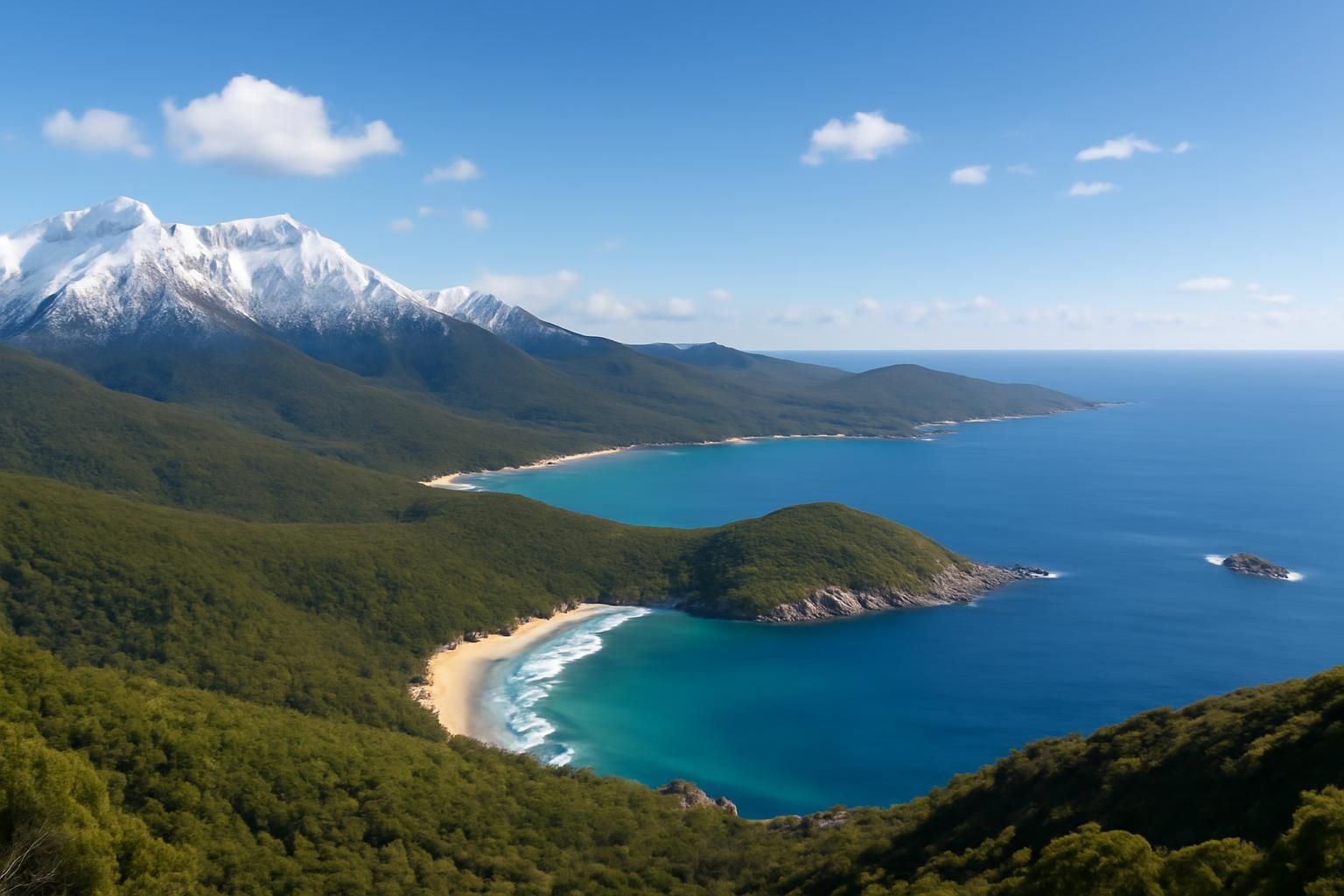
In Gippsland, national parks contribute significantly to the region’s appeal as a nature lover’s paradise. They serve as sprawling habitats for diverse wildlife and offer remarkable hiking opportunities amid some of Victoria’s most intact ecosystems. The Wilsons Promontory National Park, affectionately known as “The Prom,” exemplifies the quintessential Gippsland experience. With its snow-capped mountains visible in the distance and sweeping ocean views, it provides a dramatic setting for both casual walks and challenging hikes.
Trails in these parks vary from short, accessible walks to multi-day treks. For instance, the Great Alpine National Park, part of the Victorian High Country, envelops visitors in rolling green hills and dense temperate rainforest. This park is ideal for those craving solitude in nature combined with adventure. Its network of tracks accommodates hikers, mountain bikers, and 4WD explorers. The rich fauna includes kangaroos, wombats, and a variety of birdlife, reflecting the region’s ecological diversity.
Conservation programs in Gippsland’s parks focus on protecting endangered species while promoting responsible outdoor activities. Ranger-led tours educate visitors on the delicate balance between enjoyment and preservation. The inclusion of interpretive centres and well-marked paths supports sustainable tourism and provides opportunities to learn about Gippsland’s natural heritage firsthand. By exploring these parks, visitors contribute to ongoing conservation, making their adventure both exciting and meaningful.
Gippsland Wildlife: Encouraging Conservation through Connection
One of Gippsland’s defining traits is its rich and varied wildlife, which thrives across habitats ranging from coastal shores to mountain forests. Nature lovers visiting the area are often captivated by encounters with native animals such as kookaburras, echidnas, and the iconic southern koalas. Gippsland’s intact ecosystems provide refuge for these species, and local conservation efforts aim to safeguard this biodiversity for future generations.
Visitor centres and guided tours emphasize the importance of conservation and responsible wildlife watching. Programs highlight how human interaction affects animal behaviour and outline ways to minimize disturbance. For example, nocturnal wildlife tours give insight into species active by night while maintaining a respectful distance. The Gippsland Lakes region, noted for its marine life, supports ecosystems where seals, dolphins, and migratory birds flourish, reinforcing the area’s status as a vital wildlife corridor.
Education on conservation extends beyond ecology; indigenous cultural connections underscore the long-standing Aboriginal custodianship of the land and species. These traditional knowledge systems enrich visitors’ understanding of Gippsland’s wildlife and inspire a holistic approach to environmental stewardship. Sustainable tourism initiatives combine recreational opportunities with conservation goals, making Gippsland a living classroom for nature lovers passionate about protecting the environment.
Engaging with Wildlife Responsibly
Practicing ethical wildlife observation is fundamental to Gippsland’s tourism philosophy. Walking quietly on designated paths, avoiding feeding animals, and keeping a safe distance are basic principles. These guidelines allow animals to maintain their natural behaviours and reduce stress caused by human presence. The success of these practices is visible in thriving populations and continued visitor enjoyment.
Adventure Awaits: Hiking and Outdoor Activities in Gippsland
For adventure seekers, Gippsland provides countless opportunities to engage with stunning natural scenery. Hiking is a prominent activity that invites exploration through diverse landscapes, whether trekking alongside the sparkling Gippsland Lakes or venturing into temperate rainforests. Some trails, like those in Tarra-Bulga National Park, feature towering mountain ash trees and fern gullies, creating a mystical ambiance.
Seasonal variations further enhance outdoor experiences, as wildflower blooms transform meadows in spring and crisp mountain air defines autumn treks. To support various skill levels, routes are clearly marked with varied distances and difficulty levels. The region also offers excellent mountain biking and camping sites, allowing visitors to immerse themselves fully in nature.
Beyond hiking, there are water-based adventures such as kayaking and scenic cruises throughout the Gippsland Lakes system. These waterways provide a different perspective of the landscape, weaving through marshes and estuaries rich in birdlife. Adventure isn’t limited to land and water; four-wheel drive trails provide access to remote areas filled with spectacular vistas and hidden gems.
- Popular hiking trails: Wilsons Promontory Promenade, Mount Murrungowar, Grand Ridge Rail Trail
- Family-friendly outdoor activities: Picnic spots, bird watching, guided nature walks
- Water adventures: Kayaking, fishing, sailing on Gippsland Lakes
- Seasonal highlights: Wildflower festivals, migratory bird seasons, autumn foliage walks
Gippsland Scenery and the Cultural Heart: More than Just Natural Wonders
The scenery in Gippsland extends beyond its natural elements to incorporate a vibrant cultural and culinary landscape. Local farms provide fresh and organic produce, forming the basis for Gippsland’s reputation as a haven for food lovers. Free-range meats, fine cheeses, and locally sourced seafood underscore the connection between the land’s bounty and its people’s traditions.
Wineries across Nrth and South Gippsland have gained accolades for producing cool climate wines celebrated for their depth and character. These vineyards complement the region’s outdoor attractions, offering visitors a chance to savor local flavors amid breathtaking vistas. Seasonal farmers’ markets, festivals celebrating harvests, and farm stays enhance the experience of the countryside and its community.
The cultural tapestry is further enriched by Indigenous heritage, with ongoing efforts to highlight Aboriginal custodianship and storytelling. Visitors are encouraged to engage respectfully with this history through cultural tours and interpretive art installations found throughout Gippsland. The interplay between nature, cuisine, and culture makes Gippsland a rich destination for exploration that satisfies both the soul and the palate.
| Aspect | Highlight | Example Locations |
|---|---|---|
| National Parks | Hiking, wildlife, conservation | Wilsons Promontory, Great Alpine, Tarra-Bulga |
| Wildlife | Native animals, marine life, conservation education | Gippsland Lakes, Forests, Coastal Reserves |
| Outdoor Activities | Hiking, kayaking, 4WD trails | Grand Ridge Rail Trail, Lakes Entrance, Buchan Caves |
| Cultural & Culinary | Local produce, Indigenous heritage, wineries | Farmers markets, winery tours, cultural sites |
For those seeking in-depth information and carefully curated experience advice, exploring detailed resources such as Gippsland travel guides or nature and wildlife-focused tours can enrich a visit and ensure alignment with conservation protocols.
What is the best time of year to visit Gippsland for outdoor activities?
Spring and autumn are ideal for hiking and wildlife observation in Gippsland due to mild temperatures and vibrant natural scenery, including wildflower blooms and colorful foliage.
Are the national parks in Gippsland suitable for beginners?
Yes, many national parks offer a variety of trails with different difficulty levels, including short and easy walks perfect for beginners and families.
How does Gippsland support wildlife conservation?
Gippsland employs conservation programs that protect native species and habitats through ranger-led education, responsible tourism policies, and community engagement.
Can visitors experience Indigenous culture in Gippsland?
Absolutely. Visitors can participate in cultural tours, visit interpretive centres, and learn about Aboriginal custodianship and heritage throughout the region.
What types of outdoor adventures are available in Gippsland?
Gippsland offers diverse outdoor activities including hiking, mountain biking, kayaking, 4WD driving, and scenic cruises across lakes and coastal areas.