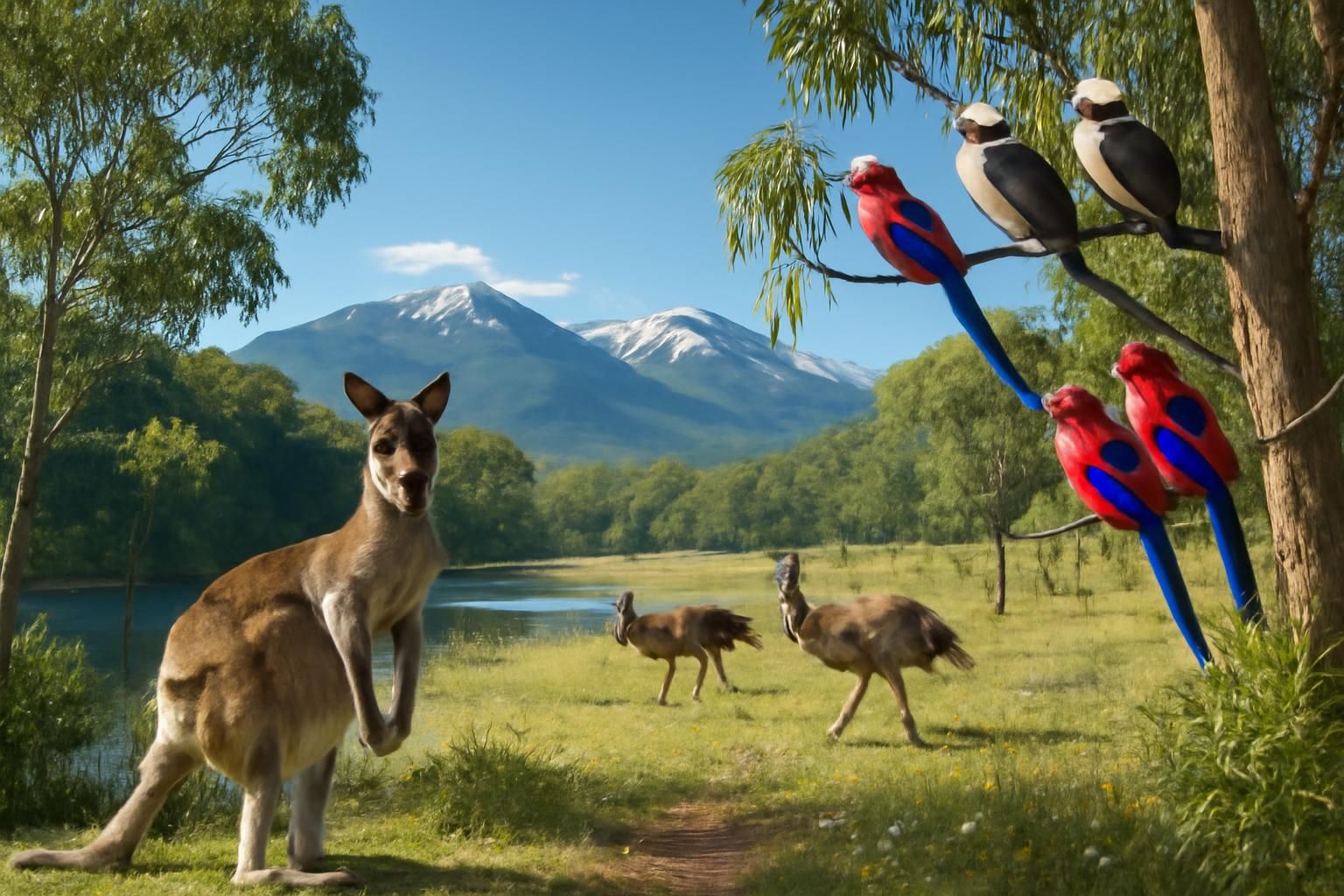
Gippsland, a vast and diverse region in southeastern Victoria, Australia, offers some of the most extraordinary wildlife experiences for nature enthusiasts in 2026. Its rich ecosystems range from coastal wetlands to dense forests, providing sanctuaries for native animals whose sightings delight both casual visitors and seasoned eco-tourists. Renowned for its commitment to conservation and outdoor adventure, Gippsland invites travelers to immerse themselves in unforgettable encounters with the region’s unique fauna, supported by a network of national parks and wildlife tours.
Exploring Gippsland’s natural treasures reveals an array of birdwatching opportunities, with rare and colorful species inhabiting its deep woodlands and sprawling wetlands. The thrill of witnessing koalas lazily lounging in eucalyptus trees or wombats wandering through forest trails is amplified by the area’s dedication to preserving their natural habitats. Whether you’re a passionate wildlife photographer or simply eager to experience Australia’s distinctive native animals first-hand, Gippsland offers accessible and responsible viewing experiences that foster a deeper appreciation for the delicate balance of its ecosystems.
Brief overview of Gippsland’s wildlife attractions:
- Extensive birdwatching sites including rare waterbirds and forest species
- Opportunities to observe iconic native animals like koalas, kangaroos, and wombats in natural settings
- Wide range of national parks promoting conservation and eco-tourism
- Guided wildlife tours designed to educate and minimize human impact
- Combination of coastal, forest, and wetland habitats for diverse outdoor adventures
- Access to family-friendly and adventurous activities focusing on nature discovery
Gippsland’s Premier National Parks: Gateways to Native Wildlife
National parks are the cornerstone of Gippsland’s commitment to conservation and public engagement with nature. Parks like Wilsons Promontory, Tarra-Bulga, and the Gippsland Lakes Coastal Park stand out for their role in safeguarding essential habitats while providing visitors with immersive experiences. In Wilsons Promontory National Park, visitors often encounter kangaroos and emus grazing in open fields, while lyrebirds perform unforgettable dances in the forest undergrowth.
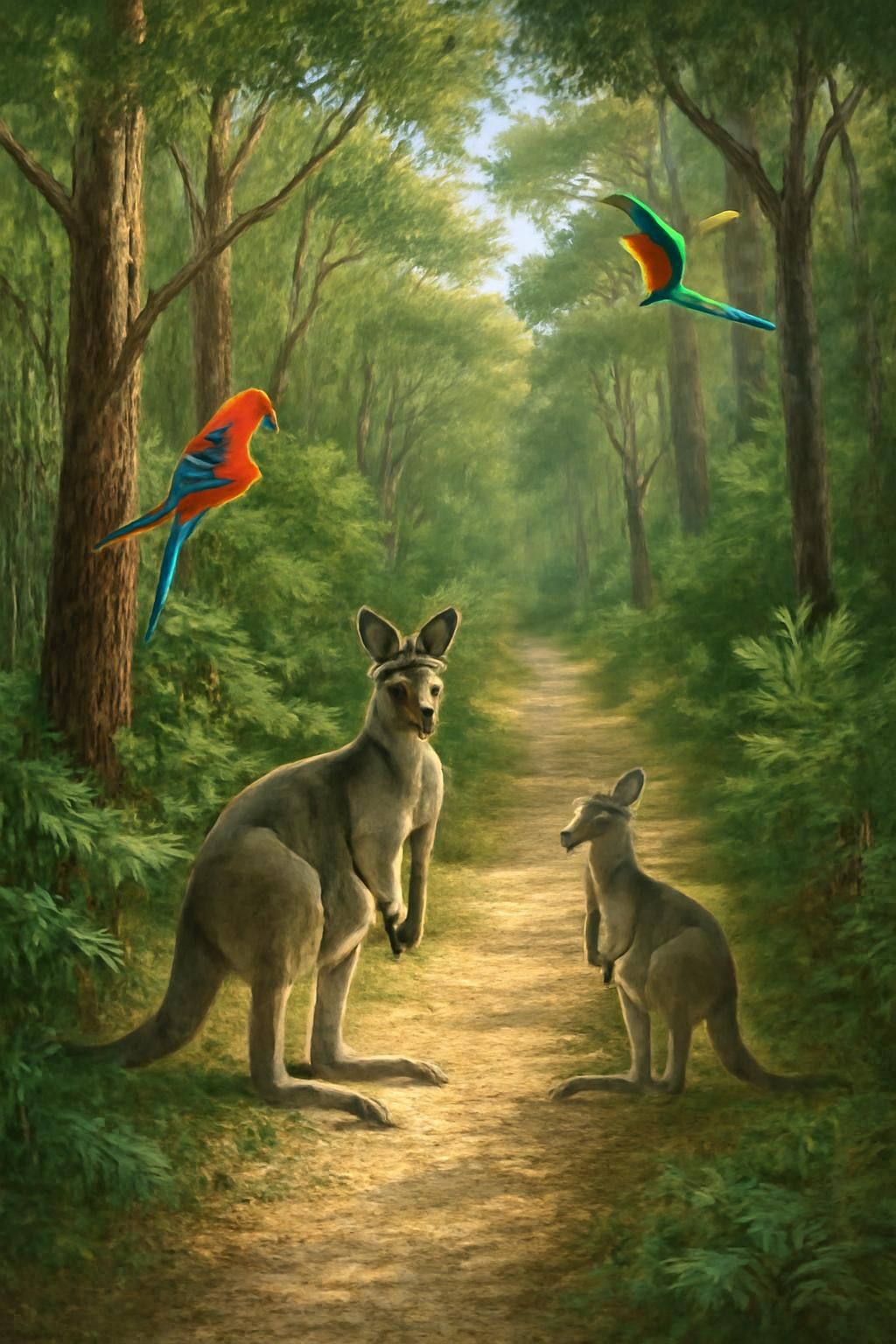
The breadth of the parks offers visitors a chance to witness a wide variety of species within a concentrated area. Tarra-Bulga National Park, famous for its towering Mountain Ash trees, is also home to diverse wildlife including possums, platypus, and several species of native birds. Hikers and birdwatchers find this park especially rewarding, as its quiet walking trails often lead to dazzling wildlife sightings away from the crowds. These natural reserves blend conservation with recreation, promoting eco-tourism that educates visitors about the ecological importance of preserving these biodiverse regions.
Managed pathways and guided tours promote responsible viewing of native animals without disrupting their environment. Many parks offer interpretative centers where guests learn about the distinct ecological features of Gippsland and the efforts underway to protect vulnerable species. According to recent eco-tourism reports, there has been a notable increase in visitor numbers to these parks in 2026, reflecting growing public interest in sustainable wildlife interactions.
For those planning a visit, resources like local nature and wildlife guides provide comprehensive information on the best times and places for spotting native animals. Engaging with park rangers or joining organized wildlife tours enhances the chances of meaningful encounters, offering unique insights into animal behavior and habitat maintenance practices. National parks in Gippsland serve as prime examples of how conservation and outdoor adventure can coexist, fostering a harmonious interaction between humans and nature.
Immersive Wildlife Tours and Eco-Tourism Experiences in Gippsland
Eco-tourism has become a vital part of Gippsland’s wildlife offerings, emphasizing responsible travel that supports conservation efforts and community awareness. Wildlife tours typically involve expert guides who share knowledge about native species, their habitats, and the challenges they face. Tours range from leisurely walks through birdwatching hotspots to adventurous outings aiming to spot elusive nocturnal animals under the stars.
Raymond Island is particularly renowned as a sanctuary for koalas, where visitors can observe these iconic marsupials in their natural environment. The island’s accessible trails and small community of wildlife advocates ensure an intimate experience that also supports conservation programs. A favorite among tourists and locals alike, the island demonstrates how community engagement can powerfully contribute to protecting native animals while enhancing visitor experiences.
Other tours include visits to wetlands where migratory birds rest and feed, as well as coastal treks that reveal fascinating marine life and seabirds. This interconnectedness of habitats enables visitors to appreciate the complex ecological webs that sustain Gippsland’s biodiversity. Moreover, these guided excursions highlight the importance of minimizing human impact, such as maintaining quiet observation and respecting animal territories.
In collaboration with conservation groups, many tour operators incorporate educational elements, teaching visitors about Gippsland’s environmental policies and ongoing wildlife rehabilitation projects. This approach increases public support for preservation and encourages visitors to become ambassadors for natural habitats beyond their travel experience. Visitors seeking these enriching wildlife tours can consult detailed listings to find options tailored to their interests and activity levels.
For those interested in further planning assistance, the guide to exploring Gippsland’s national parks provides insider tips on the best wildlife experiences, from spotting rare birds to understanding native animal behaviors across diverse ecosystems.
Birdwatching in Gippsland: A Paradise for Avian Enthusiasts
Birdwatching in Gippsland ranks among the most rewarding activities for wildlife lovers, thanks to its variety of habitats that attract a breathtaking diversity of species. The region’s wetlands, forests, and coastal areas are especially important as breeding grounds and migration stopovers for both resident and migratory birds. Observers can spot anything from colorful parrots to elusive waterbirds depending on the season.
Key birdwatching sites include the Gippsland Lakes and the Boolarra State Forest, where visitors have logged sightings of species such as the Orange-bellied Parrot, Regent Honeyeater, and several varieties of ducks and herons. These sites are carefully managed to ensure that human presence does not disturb the wildlife or their breeding activities, stressing the importance of ethical birdwatching practices.
Birdwatchers often rely on binoculars and spotting scopes to observe behavior without intrusion, making early morning hours the best time to see feeding and mating rituals. Guided birdwatching tours led by knowledgeable locals add depth to the experience by providing context on the ecological roles of different species and the threats posed by habitat loss and climate change.
In addition to organized tours, self-guided visits can be enhanced by consulting bird checklists and migration schedules available through conservation organizations and regional websites. Educational centers in the area often host workshops and presentations focused on fostering a deeper connection between humans and the natural world, further enriching the birdwatching experience.
Below is a table highlighting some of the notable bird species found across Gippsland’s various habitats:
| Bird Species | Habitat | Distinctive Features | Best Time for Sightings |
|---|---|---|---|
| Orange-bellied Parrot | Coastal wetlands | Bright orange belly, small size | Summer migration |
| Laughing Kookaburra | Open woodlands | Loud, distinctive call | Year-round |
| Regent Honeyeater | Riparian forests | Black and yellow plumage | Spring and early summer |
| Australian White Ibis | Wetlands and urban areas | White feathers, long curved beak | Year-round |
Conservation Efforts and Sustainable Wildlife Interaction in Gippsland
As the number of visitors to Gippsland’s wildlife sites grows in 2026, the focus on sustainable interaction with native animals becomes increasingly crucial. Conservation efforts in the region are multifaceted, including habitat restoration, wildlife monitoring, and community education campaigns. Local government, conservation groups, and eco-tour operators collaborate to ensure that tourism supports rather than threatens the natural environment.
Initiatives such as predator control programs and the creation of protective buffer zones around sensitive habitats have proven effective in increasing populations of vulnerable species like the Eastern Barred Bandicoot. Volunteers and residents actively participate in these programs, underscoring the value of community involvement in conservation. Educational signage and visitor guidelines also promote awareness and responsible behaviors among tourists.
Eco-tourism operators are adopting and sharing best practices, such as limiting group sizes, maintaining quiet observation distances, and discouraging feeding or approaching wildlife closely. This respectful approach not only safeguards animals but also ensures more authentic and stress-free viewing opportunities. Visitors who adhere to these practices contribute positively to conservation outcomes and help secure the region’s natural heritage for future generations.
Below is a list of recommended sustainable practices for wildlife watchers in Gippsland:
- Stay on designated trails to avoid disrupting habitats
- Use binoculars or cameras with zoom lenses to observe from a distance
- Avoid loud noises and sudden movements near animals
- Never feed wildlife or leave litter behind
- Participate in guided tours led by trained naturalists
- Support local conservation projects through donations or volunteering
To plan your wildlife adventure responsibly, it’s helpful to visit official platforms such as best nature and wildlife tours in Gippsland that emphasize sustainable tourism. Staying informed enhances both your experience and the protection of native species and habitats, a balance Gippsland strives to maintain between visitor engagement and ecological sustainability.
Family-Friendly Wildlife Activities and Outdoor Adventures in Gippsland
Gippsland not only caters to dedicated wildlife watchers but also offers numerous family-friendly activities that combine education and outdoor adventure. Walking trails suitable for children, interactive wildlife centers, and gentle boat tours provide accessible ways for families to connect with nature. These experiences foster environmental stewardship from an early age while ensuring fun and safety.
One standout example is the interactive experiences available on Raymond Island, where kids can observe koalas and other native animals in a safe setting. Educational programs here often include guided walks and viewing sessions designed to teach young visitors about animal behavior and conservation in an engaging way. Additionally, many parks provide picnic areas and playgrounds, creating hubs where families can relax between wildlife spotting adventures.
For families seeking more active pursuits, bike trails winding through forested areas present opportunities to combine exercise with wildlife discovery. The diversity of Gippsland’s landscapes means that families can choose beaches, mountains, or wetlands as backdrops for their outings, catering to varied interests and fitness levels. Seasonal events and festivals often include nature workshops and guided tours, broadening the appeal for visitors of all ages.
Below is a list of popular family-oriented wildlife activities in Gippsland:
- Koala spotting tours on Raymond Island suitable for all ages
- Educational wildlife centers featuring interactive exhibits
- Short, accessible walking trails with wildlife viewing platforms
- Nature-themed festivals and events during school holidays
- Boat tours on sheltered waterways with commentary about native species
- Guided birdwatching walks tailored to families
Outdoor adventure combined with education provides a meaningful travel experience that sparks curiosity and respect for wildlife. Planning such experiences can be assisted by resources like family-friendly activities in Gippsland that highlight the region’s best offerings for children and adults alike. These curated experiences ensure that Gippsland remains a top destination for nature lovers seeking unforgettable wildlife encounters across multiple generations.