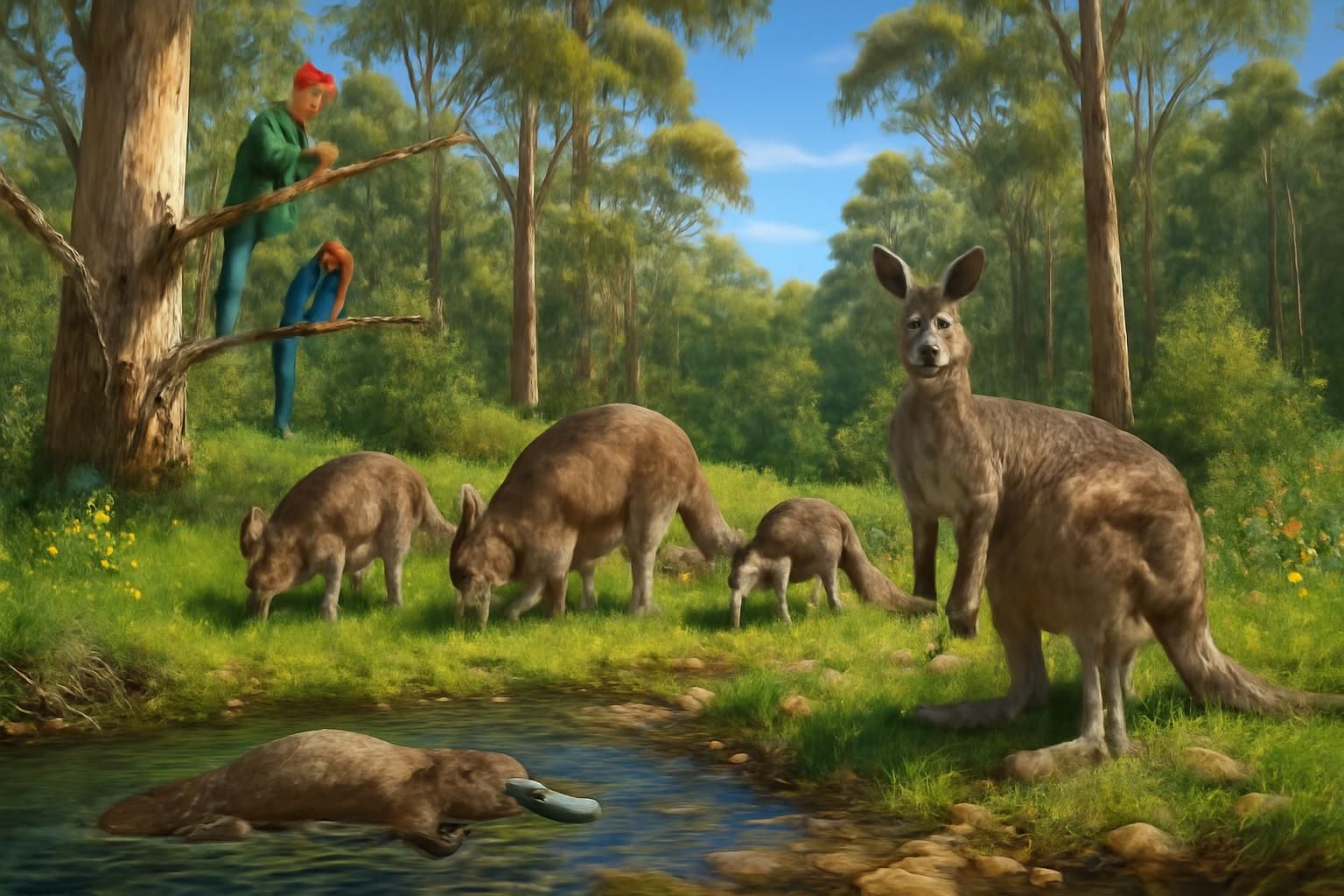
Gippsland, located in eastern Victoria, Australia, is a stunning region renowned for its vast and varied landscapes that range from pristine coastal stretches to dense rainforests. The region’s national parks are true sanctuaries for wildlife, hosting an impressive array of native species and thriving biodiversity. These protected areas offer not only scenic beauty but also vital habitats that support unique ecological communities. For nature enthusiasts and conservationists alike, Gippsland’s national parks represent a vibrant tapestry of Australia’s natural heritage, making them crucial for ecological exploration and understanding.
Exploring Gippsland’s wildlife means immersing oneself in diverse ecosystems, from the ancient forests of Tarra-Bulga to the rugged coastlines of Wilsons Promontory. Each park offers a unique glimpse into nature’s wonders, with opportunities to observe kangaroos, koalas, wombats, and a rich variety of birdlife in their natural habitats. As the region continues to promote ecotourism, visitors are encouraged to engage in responsible wildlife spotting and to follow conservation guidelines designed to protect these fragile environments.
Discovering Gippsland’s National Parks: A Wildlife Enthusiast’s Dream
Gippsland is home to more than 15 national parks, each offering distinctive wildlife and natural wonders that make the region a biodiversity hotspot. As you venture through these protected areas, the diversity of habitats ranges extensively—from alpine regions and ancient forests to breathtaking coastal shores and expansive lakes. This plethora of habitats nurtures a wide variety of native species, many of which are endemic or endangered.
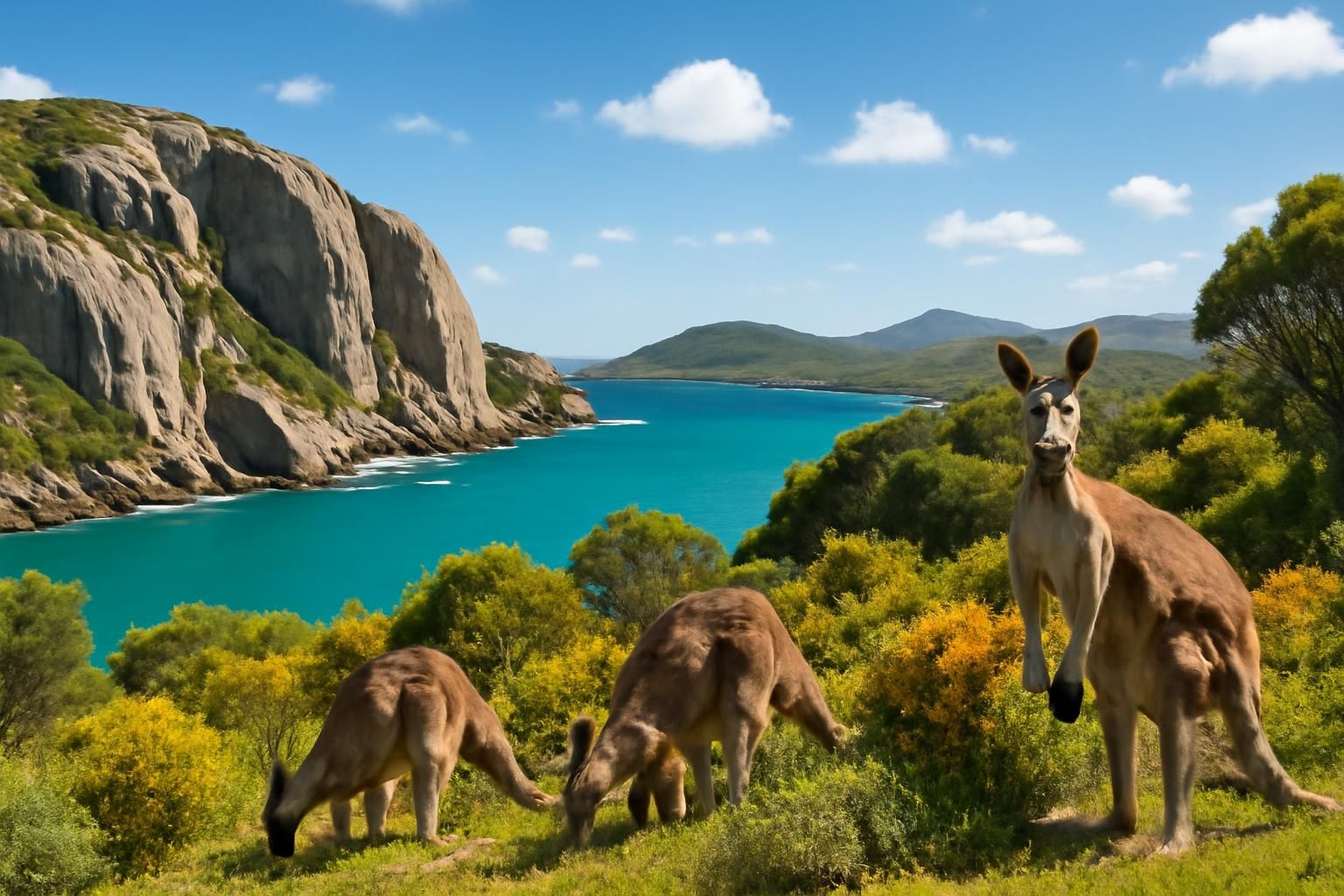
Wilsons Promontory National Park, affectionately known as “The Prom,” caps the southernmost tip of mainland Australia. It is famed for its spectacular granite peaks, coastal walks, and diverse wildlife. Here, visitors can witness native animals such as kangaroos, emus, and echidnas roaming freely, while the surrounding Bass Strait hosts migrating whales and playful seals, enhancing the rich marine ecosystem. Hiking trails like the trek to Wilsons Promontory Lighthouse invite exploration, offering panoramic views and close encounters with nature’s grandeur.
Moving inland, the Alpine National Park, the largest in Victoria, bridges multiple states and protects significant portions of the Australian Alps. This park features ten of Victoria’s highest peaks, ecospheres of wild rivers, and untouched forests. The biodiversity here supports species well-adapted to alpine climates, including rare flora and fauna that thrive amidst rugged escarpments and open plains. Seasonal changes deeply affect the fauna activity: winter brings skiing enthusiasts to resorts like Mt Hotham, while summer invites bird watchers and anglers to explore rich mountain habitats.
For those drawn to coastal wilderness, Cape Conron National Park in East Gippsland offers unspoiled beaches, secluded rock pools, and underwater bull kelp forests that are home to seals and myriad sea creatures. The untouched nature of this park makes it a prime example of conservation success, demonstrating a well-preserved habitat where native species flourish away from urban encroachment.
Each park across Gippsland offers dedicated nature trails designed for different levels of exploration. Many cater to slow travel and ecotourism initiatives, emphasizing minimal impact on habitats while maximizing wildlife observation opportunities. Within these corridors, visitors experience a true connection to nature’s heartbeat and contribute positively to the understanding and preservation of native species.
The Role of Conservation and Ecotourism in Protecting Gippsland’s Wildlife
Gippsland’s national parks serve as essential conservation areas that safeguard vast expanses of natural habitat from the pressures of urbanization and agriculture. Conservation efforts emphasize preserving biodiversity, protecting native species, and maintaining natural processes. The collaborative management strategies employed in parks such as Tarra-Bulga, overseen alongside the Gunaikurnai people, highlight the integration of Indigenous knowledge and modern conservation techniques. This ensures a respectful approach to land care while promoting cultural heritage.
Wildlife conservation in Gippsland focuses on protecting species like the vulnerable Leadbeater’s possum and the locally distinctive giant mountain ash trees, which form critical habitats. Active bush regeneration projects and fire management plans are integral to these parks’ resilience against natural and human-induced threats.
Ecotourism in Gippsland has evolved to balance visitor engagement with environmental responsibility. Sustainable tourism practices include designated nature trails, interpretative signage, guided wildlife tours, and strict camping regulations. Such measures help minimize the human impact on fragile ecosystems by steering foot traffic away from sensitive zones and educating visitors on local wildlife behavior and habitat needs.
Community-led initiatives encourage locals and tourists to participate in citizen science and wildlife monitoring, fostering a collective role in ecological stewardship. For example, whale migration tracking near Wilsons Promontory invites real-time ecological appreciation, while bird counting activities in Croajingolong National Park, a UNESCO Biosphere Reserve, assist in tracking avian population health.
The success of conservation and ecotourism efforts can be witnessed in the thriving populations of species and the preserved integrity of diverse habitats throughout Gippsland’s national parks. This ongoing work is pivotal not only for biodiversity but also for sustaining Gippsland’s reputation as a destination for nature lovers seeking authentic wildlife experiences.
For further details on the region’s conservation and nature activities, sources such as Visit Gippsland’s nature and wildlife section provide comprehensive information on responsible travel options.
Top Wildlife Experiences and Nature Trails in Gippsland National Parks
At the heart of Gippsland’s enchanting landscape are its well-maintained nature trails, which serve as gateways to observing native species and exploring various habitats. From easy walks in Tarra-Bulga’s fern-filled gullies to challenging alpine hikes in the Alpine National Park, these trails accommodate all levels of explorers.
One of the most popular treks is the Corrigan’s Track in Tarra-Bulga National Park, leading walkers through towering mountain ash forests and ending at the spectacular Corrigan’s Suspension Bridge. Along this trail, casual observers may spot native birds like crimson rosellas and lyrebirds, while those with keen eyes might glimpse squirrel gliders in the undergrowth.
For an aquatic wildlife exploration, the Gippsland Lakes network, Australia’s largest inland waterway system, offers kayaking and boating opportunities that allow visitors to witness a diverse array of birdlife, such as black swans, pelicans, and various shorebirds that thrive in wetland habitats. The Lakes National Park complements these experiences with tranquil camping sites easily accessible to nature seekers.
The Mitchell River National Park features deep gorges and wild river sections perfect for white water rafting and trout fishing. This park’s extensive walking trails guide one through lush rainforest pockets and unique flora characterized by moss-covered tree trunks and vibrant wattle groves. The Den of Nargun, a site rich in Aboriginal folklore, provides a cultural storytelling experience alongside natural exploration.
In terms of practical planning, hiking enthusiasts can find detailed guides through resources like top hiking trails in Gippsland which highlight the best routes for capturing Gippsland’s rich wildlife diversity. Meanwhile, coastal enthusiasts might consult profiles of Gippsland’s best beaches to combine wildlife discovery with serene seaside recreation.
Popular Nature Trails in Gippsland National Parks
- Corrigan’s Track, Tarra-Bulga National Park
- Wilson’s Promontory Lighthouse Walk
- Buchan Caves Nature Walk
- Mitchell River Gorge Trail
- Croajingolong Coastal Walks
Essential Wildlife Species and their Habitats Across Gippsland’s Parks
With its extensive array of habitats, Gippsland supports a remarkable variety of native species that depend on the unique ecological niches within each national park. Understanding species-habitat relationships is critical for effective conservation and wildlife appreciation.
Kangaroos and wombats are iconic to the open grasslands and forest edges, where they graze and forage freely. The koala, a species of significant conservation concern, relies heavily on Gippsland’s towering eucalypt forests found particularly within Tarra Bulga and Wilsons Promontory. Bird enthusiasts will discover over 300 bird species in parks like Croajingolong, including rare species such as the powerful owl and the elusive ground parrot.
Riparian habitats along the Mitchell and Snowy Rivers shelter aquatic species and amphibians, with clean, flowing waters vital for their survival. The Snowy River National Park further exemplifies wilderness conservation, hosting rugged gorges and waterfalls that provide niches for specialized species adapted to these environments. Reptiles, such as the eastern blue-tongue lizard, find safe haven in the rocky and forest areas of the region.
This wildlife richness is depicted in the table below, summarizing key species and their primary habitats within Gippsland’s major national parks:
| Species | Habitat | National Parks | Conservation Status |
|---|---|---|---|
| Koala | Eucalypt Forests | Wilsons Promontory, Tarra Bulga | Vulnerable |
| Kangaroo | Open Grasslands | Most Gippsland Parks | Least Concern |
| Leadbeater’s Possum | Mountain Ash Forests | Alpine National Park | Endangered |
| Powerful Owl | Dense Forests | Croajingolong | Vulnerable |
| Seals | Coastal Waters | Wilsons Promontory, Cape Conron | Least Concern |
The wildlife of Gippsland contributes significantly to the region’s identity and natural allure. Efforts to conserve these species’ habitats through national park preservation ensures future generations can continue to enjoy and study these remarkable animals in the wild.
Planning Your Visit: Tips for Exploring Gippsland’s Wildlife Safely and Responsibly
Embarking on an exploration of Gippsland’s national parks brings immense rewards but also responsibilities. Understanding best practices for wildlife observation and preserving natural habitats helps maintain the ecological balance and ensures ongoing opportunities for nature-based tourism.
Visitors should always adhere to designated trails to minimize habitat disturbance and avoid approaching or feeding wildlife, practices that can cause harm to native species and disrupt their natural behaviors. Camping is available in many parks such as Buchan Caves and The Lakes, but regulations require campers to use provided facilities and carry out all waste.
Respect for Indigenous land management protocols signals appreciation for the cultural values tied to these natural areas. Parks like Tarra Bulga exemplify co-management with the Gunaikurnai people, offering interpretive programs that deepen understanding of Aboriginal connection to the land.
Before venturing out, checking official resources like Parks Victoria’s East Gippsland park guidelines can help visitors prepare adequately and learn about any fire restrictions or seasonal warnings. Bringing appropriate gear, practicing Leave No Trace principles, and staying hydrated are essential for a safe experience.
Whether traveling for wildlife photography, bushwalking, or peaceful nature enjoyment, Gippsland’s national parks provide secure environments for ecotourism that nurture the region’s biodiversity and inspire an enduring respect for nature.
Which Gippsland National Park is best for spotting koalas?
Wilsons Promontory and Tarra Bulga National Parks are the best spots to observe koalas in their natural eucalypt forest habitats within Gippsland.
Are there guided tours available in Gippsland’s national parks?
Yes, many parks offer guided walks and wildlife tours to enhance visitor understanding and aid responsible exploration.
What is the best time of year to explore wildlife in Gippsland?
Spring and autumn provide mild weather and active wildlife, making them ideal times for exploring Gippsland’s national parks.
Can I camp inside Gippsland’s national parks?
Camping is permitted in designated campgrounds within parks such as Buchan Caves and Lakes National Park, with facilities suited for various comfort levels.
How does Gippsland protect its native species?
Through habitat conservation, controlled fire management, and collaboration with Indigenous custodians, Gippsland maintains strong protections for its native wildlife.