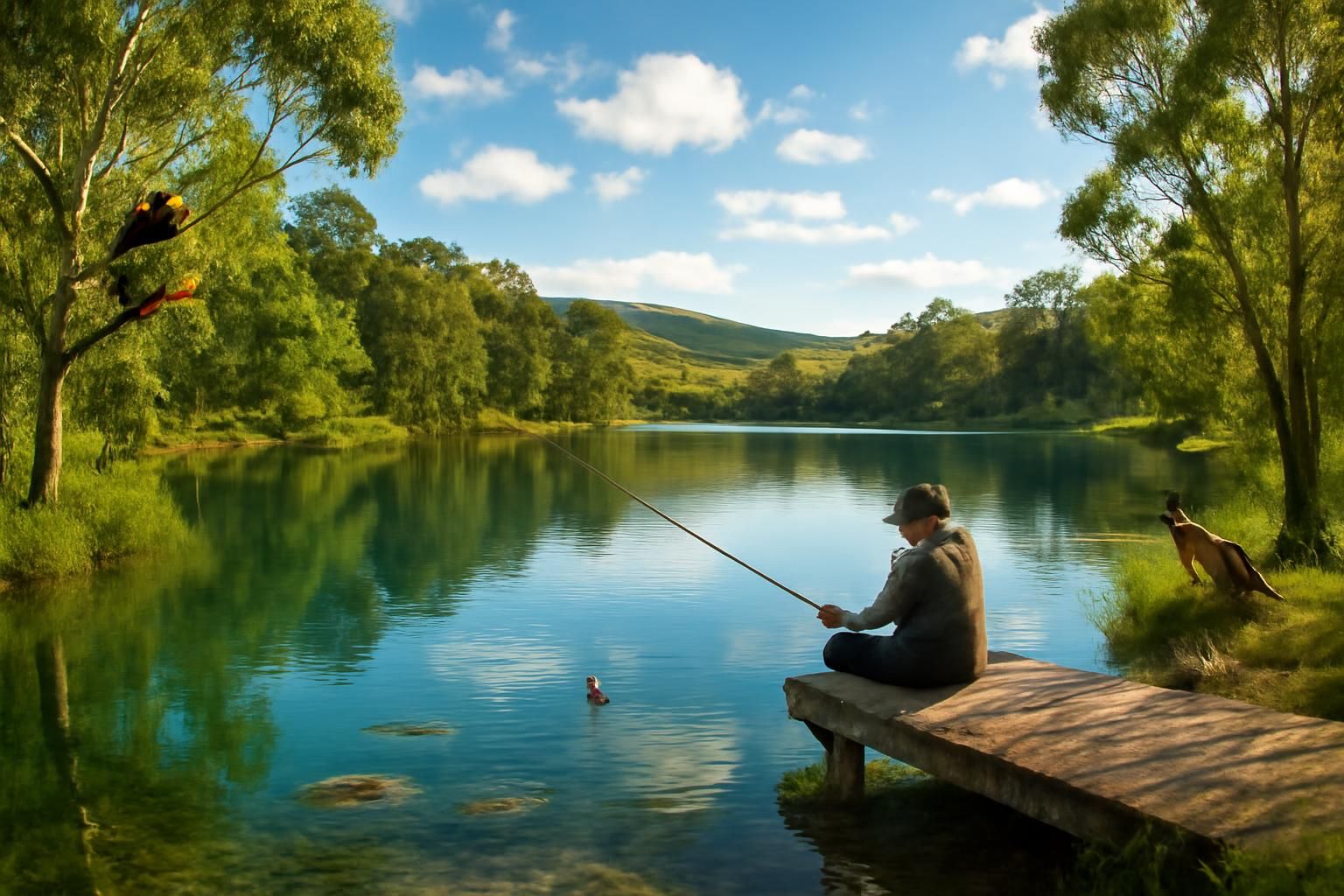
Gippsland, a breathtaking region in Victoria, Australia, offers some of the most diverse and rewarding fishing experiences for anglers of all skill levels. Nestled between pristine freshwater lakes, winding rivers, and the expansive Bass Strait coastline, Gippsland boasts an extraordinary variety of fishing spots. From tranquil freshwater fishing in Lake Wellington to the dynamic saltwater fishing opportunities near Lakes Entrance, this region combines natural beauty with abundant fish populations. Whether you’re in search of bream, flathead, trout, or even tailor and salmon, Gippsland’s fishing destinations provide unforgettable outdoor adventures that attract anglers year-round.
Renowned for its interconnected waterbodies such as Lake Victoria and Lake King, the Gippsland Lakes system supports ecosystems rich in both freshwater and saltwater species. The blend of estuarine habitats, river inputs, and tidal exchanges creates an environment where fish flourish in diverse habitats. Access to fishing ramps, jetties, and shorelines is widely available across towns like Paynesville, Metung, Lakes Entrance, and Sale, ensuring both boat and shore anglers can enjoy exceptional catches. This article explores must-visit fishing spots in Gippsland in detail, highlighting techniques, equipment, fish species, and the seasonal rhythms that make this region a mecca for fishing enthusiasts.
For anglers seeking new challenges, Gippsland also offers competitive fishing tournaments and guided fishing tours to maximize time on the water and knowledge of the local fishery. Alongside the thrill of fishing, the region’s tourism infrastructure supports memorable trips with comfortable accommodations and an array of outdoor activities. As Gippsland continues evolving as a top fishing destination, responsible angling and appreciation of the rich environmental and cultural heritage remain essential to sustaining this extraordinary resource.
For more detailed local fishing spots, check out the resources available through Fisho’s Gippsland fishing guide and Rove’s fishing highlights around Gippsland.
Top Gippsland Lakes Fishing Spots: Access Points and Species to Target
The Gippsland Lakes system is Australia’s largest inland waterway, comprising Lake Wellington, Lake Victoria, and Lake King, each offering distinctive fishing environments shaped by freshwater inputs and ocean tides. Lake Wellington sits at the western edge, mostly influenced by freshwater from the Mitchell and Latrobe Rivers, while Lake King experiences more saltwater flow from Bass Strait near Lakes Entrance.
Lake Wellington is a haven for freshwater anglers targeting species like redfin perch and bass, while bream fishing is excellent throughout the lakes—especially around the brackish waters of Lake Victoria. Flathead and luderick are also commonly caught in this central zone. Near the ocean entrance at Lakes Entrance, anglers encounter exciting saltwater species including tailor and salmon drawn in by baitfish movements linked to tidal shifts.
Popular access points for launching boats and shore fishing include:
- Paynesville: Offers multiple boat ramps and jetty areas with diverse freshwater and brackish fishing opportunities in Lake Victoria.
- Lakes Entrance: Provides direct access to channels connecting Bass Strait with Lake King, perfect for saltwater fishing and popular jetty spots.
- Metung: Known for calm water fishing with options to pursue bream and flathead near weed edges and drop-offs.
- Sale: Access to Lake Wellington’s freshwater zones, ideal for trout fishing and chasing bass.
Anglers often tailor their strategies according to these locations. For example, bait fishing with prawns or fresh yabbies targets black bream around the jetties of Paynesville, while lure fishing with soft plastics around Lake King’s deeper channels appeals to flathead enthusiasts. Fly fishing is a growing method for skilled anglers focusing on the highly sought-after bream in the early morning or late afternoon edges of these lakes.
The continuous exchange of salt and freshwater produces thriving fish habitats and seasonal migrations that keep anglers returning. In spring, rising water temperatures coax bream into shallow waters, while summer’s warm days require fishing during cooler times like sunrise or sunset to capture active species. Autumn often provides some of the best flathead and salmon action near the lake entrances, while winter offers quieter fishing but still rewards persistence in deeper holes and thermally stable areas.
These varied conditions make Gippsland Lakes one of Victoria’s premier estuarine fishing destinations. The region’s accessibility and rich fish diversity offer unparalleled opportunities for anglers looking for both freshwater and saltwater fishing excitement. For further insights into Lake Victoria and Lake King fishing patterns, visiting guides such as FishingMad’s Gippsland Lakes guide can help refine techniques and pinpoint hotspots.
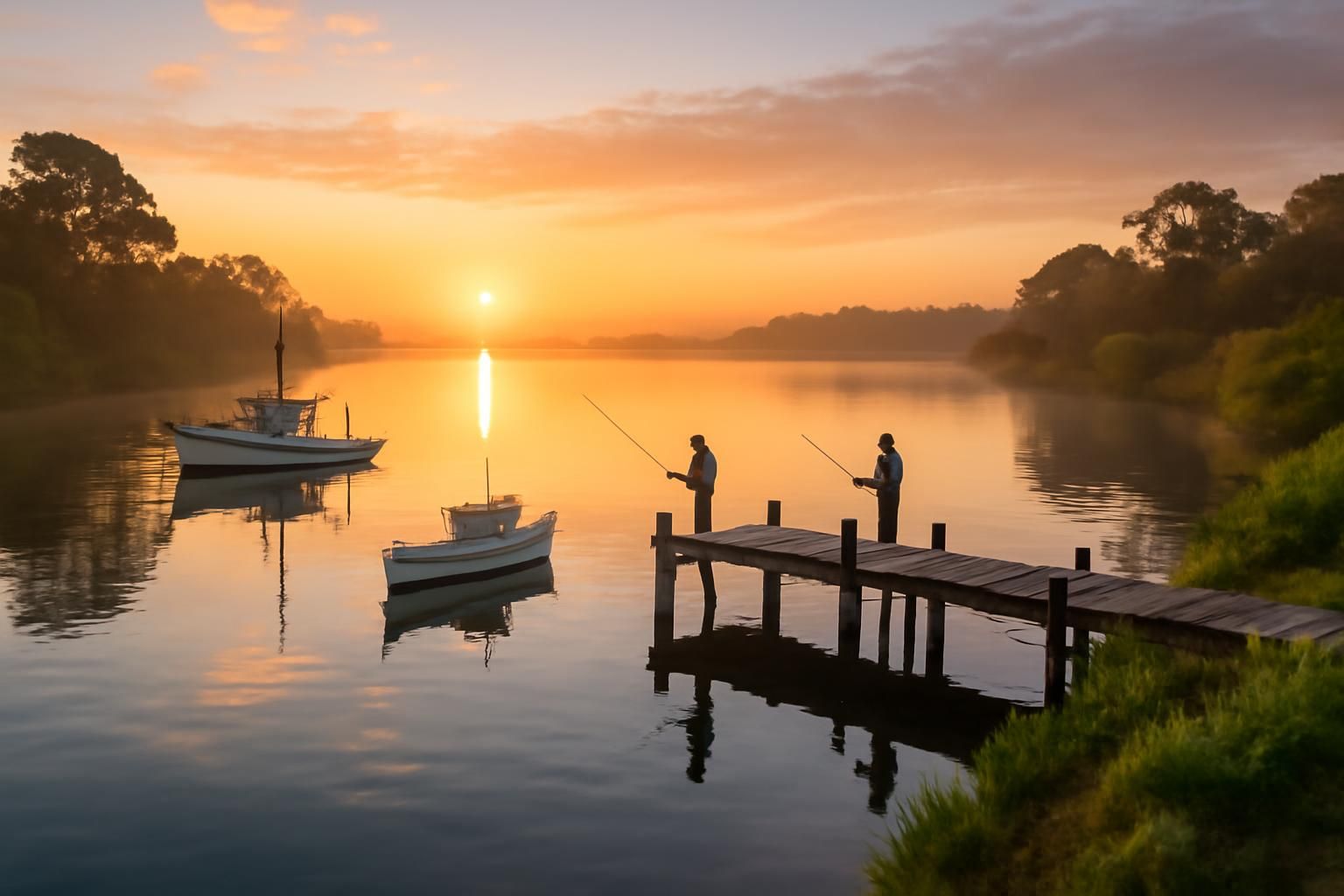
Effective Fishing Techniques and Gear for Gippsland Anglers
Anglers venturing into Gippsland’s waters quickly learn that mastering varied fishing techniques and adopting appropriate gear is crucial to success. Given the estuarine nature of many Gippsland Lakes and the contrasting environments from freshwater to saltwater, fishing methods can differ widely depending on target species and locations.
Bream Fishing Strategies
Bream is often regarded as the pinnacle species in Gippsland Lakes fishing, with robust populations of both black and yellow-fin bream present year-round. A combination of bait fishing with natural baits like prawns or worms and lure presentations using soft plastics and hard-bodied diving lures is highly effective. Successful anglers concentrate on structural features such as weed edges, drop-offs, jetties, and pontoons where bream find shelter and food. Using light tackle enhances sensitivity and hook sets, making finesse presentations essential.
Flathead Tactics and Lure Options
Dusky flathead hunting requires targeting sandy bottoms and channel edges where these opportunistic predators lie in wait. Employing soft plastic lures that mimic small fish or crustaceans proves effective, especially when drifting or casting and retrieving near drop-offs. Live baiting with whitebait or hardyheads increases the chance of hookups for those who prefer natural presentations. Understanding tides and currents can guide anglers to ambush points where flathead gather to feed.
Luderick and Mullet Fishing
Luderick, also known as blackfish, thrive near rocky structures consuming algae. Float fishing using bread or seaweed-based baits around jetties or rock walls is a traditional method requiring patience and precise hook placement on small-sized hooks. Mullet fishing demands subtlety due to their skittish nature; fishing with light gear and carefully selected baits, often involving waiting for feeding windows, increases success rates.
Recommended Gear and Equipment
Fishing tackle for Gippsland typically ranges from light finesse spinning rods ideal for bream, to medium power setups for flathead and larger estuarine species. Rods between 6 to 7 feet paired with 2500-3000 size reels offer versatility across methods. Lines from 4 to 10 pounds test are appropriate, with braided mainlines and fluorocarbon leaders preferred to combine sensitivity and abrasion resistance. Lure selections include:
- Hard-bodied diving lures (50-90mm) for mid-water action
- Soft plastics in 2-4 inch sizes, mimicking prawns and small fish
- Topwater lures to entice surface strikes during certain times
Boat anglers benefit from using fishfinders to locate structure and schools of fish, anchors for stationary presentations, and electric motors to silently reach prime spots without spooking wary fish. Many anglers find that adopting gear specifically suited to estuarine saltwater conditions ensures longer tackle life and reliability.
Seasonal adjustments to tackle and bait are crucial; for example, softer plastics in natural tones like watermelon or motor oil shine in clearer water, while brighter colors can attract fish when conditions are murky. Similarly, live baits need to be fresh and sourced locally to maximize bait fishing effectiveness.
Exploring Coastal and River Fishing Excursions in Gippsland
Beyond the lakes, Gippsland offers spectacular saltwater and freshwater fishing adventures along its coastline and rivers. Anglers looking for variety can explore surf fishing at renowned beaches or cast lines in the flowing rivers that feed the lakes.
The Gippsland coast features long stretches of beach ideal for surf fishermen targeting species such as salmon, tailor, whiting, and flathead. One example is the Honeysuckles area near Seaspray, which is famous for its accessibility and productive beach fishing. This spot is suitable for both beginners and experienced anglers aiming to hook pelagic species migrating along the shoreline. Close to the ocean mouth at Lakes Entrance, fishing off jetties and rocks yields consistent catches of bream and other estuarine species.
River fishing in Gippsland is equally rewarding, with rich habitats found along the Nicholson, Tambo, and Latrobe Rivers. These watercourses provide excellent trout fishing, particularly for brown and rainbow trout in cooler tributaries. Anglers practise fly fishing techniques or use light lure tackle to entice trout from deeper pools and riffles. Bass fishing is also popular in these freshwater environments, with river sections dominated by snags, fallen trees, and weed beds offering prime locations.
Access points to rivers and coastal fishing spots are well-marked and equipped with boat ramps and facilities, facilitating easy entry for anglers seeking new adventures. The diversity of fishing environments within Gippsland supports everything from relaxed shore-based fishing to dynamic boat excursions on open waters. Fishermen often combine lakes and river trips with coastal explorations to maximize their experience.
For visitors aiming to include outdoor adventure besides fishing, exploring the nearby national parks and wildlife or enjoying Gippsland’s best beaches enhance the overall trip. Planning a fishing getaway with these activities creates a well-rounded and fulfilling experience for families and solo anglers alike.
Seasonal Patterns, Local Events, and Sustainable Angling Practices in Gippsland
Understanding Gippsland’s fishing dynamics requires appreciating seasonal influences on water temperature, flow, and fish behavior. Bream, flathead, and other species respond to these environmental changes with movements driven by spawning cycles, food availability, and habitat shifts.
Spring signals a ramp-up in bream activity as warming waters stimulate feeding and spawning behavior. This season is ideal for anglers looking to catch fish moving into shallower spawning grounds. Summer’s warmer temperatures slow down midday activity, prompting many anglers to fish early mornings or late afternoons when fish are more active. Autumn fishing is often remarkable as fish bulk up ahead of winter, providing opportunities for heavier catches. Winter remains quieter, but dedicated anglers still find success targeting bream in deeper water and catching trout or salmon in moving waters.
Several fishing competitions and club events occur throughout Gippsland Lakes, especially targeting black bream. These tournaments showcase local expertise and create a vibrant angling community while encouraging sustainable practices. Anglers are urged to practice catch-and-release, respect size limits, and minimize environmental impact. Conservation efforts focus on managing water quality, freshwater inflows, controlling algal blooms, and protecting critical habitats.
Sustainable angling also involves respecting cultural heritage, including the relationships indigenous peoples maintain with Gippsland’s waterways. Acknowledging their traditional knowledge and stewardship enriches the fishing experience and promotes conservation ethics.
Supporting local fishing guides not only enhances individual success but also contributes to conservation funding and education. These professionals provide valuable insight into Gippsland’s unique aquatic systems, equipment recommendations, and fishing strategies.
| Season | Key Species | Best Techniques | Access Points |
|---|---|---|---|
| Spring | Black Bream, Trout | Light bait fishing, Fly fishing | Paynesville, Sale |
| Summer | Flathead, Salmon | Lure fishing, Topwater lures | Lakes Entrance, Metung |
| Autumn | Salmon, Tailor, Flathead | Soft plastics, Live baiting | Lakes Entrance, Ocean beaches |
| Winter | Bream, Trout | Deep water fishing, Fly fishing | Sale, River areas |
Preparing for Your Gippsland Fishing Trip: Tips, Accommodation, and Guided Experiences
Planning a successful fishing trip in Gippsland involves more than just packing tackle—it requires knowledge of local weather, seasonal fish habits, and the region’s extensive accommodation options. Gippsland caters to various visitor types, from the budget camper to those seeking comfortable hotel stays or holiday rentals in bustling towns like Lakes Entrance and Paynesville.
For outdoor enthusiasts, combining fishing with regional activities such as hiking, wildlife photography, and beach visits enriches the overall experience. Registration for local fishing licenses and understanding Victorian fishing regulations ensure compliance and sustainable fishing enjoyment.
Many anglers benefit significantly from hiring a fishing guide who offers expert knowledge of the best fishing spots, species behavior, and equipment optimization. Guided tours often include full gear, boat access, and tailored learning experiences, perfect for newcomers or visitors unfamiliar with the multitude of fishing environments Gippsland presents.
Below is a checklist of essential considerations for anglers preparing for Gippsland fishing:
- Secure appropriate fishing licenses valid for the Victorian region
- Check local weather forecasts and water conditions prior to arrival
- Choose fishing gear suited for both freshwater and saltwater species
- Book accommodation early during peak seasons in popular towns
- Consider guided fishing tours for enhanced success and education
- Be aware of environmental regulations and practice responsible fishing
Visitors looking for detailed travel and fishing advice may find practical itinerary suggestions in articles such as how to plan a road trip through Gippsland which blends outdoor adventure with regional exploration.
The combination of eligible fishing spots, quality infrastructure, and diverse natural environments cements Gippsland as a fishing destination every angler must try. Embracing the challenges and rewards the region offers guarantees memorable fishing experiences alongside the stunning beauty distinctive of Victoria’s east coast.
What are the best times of year to fish in Gippsland?
Spring and autumn are considered the best seasons due to increased fish activity linked to spawning and feeding. Summer mornings and evenings are excellent, while winter offers quieter fishing with opportunities for dedicated anglers.
Which fish species are most common in the Gippsland Lakes?
Black bream, flathead, luderick, and tailor are among the most commonly caught species, with trout and bass prevalent in freshwater sections of the system.
Are guided fishing tours available in Gippsland?
Yes, professional fishing guides operate throughout the region, providing local expertise, equipment, and access to prime fishing locations.
Do I need a fishing license to fish in Gippsland?
Yes, a valid Victorian fishing license is required for both recreational freshwater and saltwater fishing in Gippsland.
What gear is recommended for fishing in Gippsland Lakes?
Light to medium spinning rods of 6-7 feet with 2500-3000 size reels, braided lines with fluorocarbon leaders, and a variety of lures including soft plastics, hard-bodied diving lures, and topwater lures are recommended.