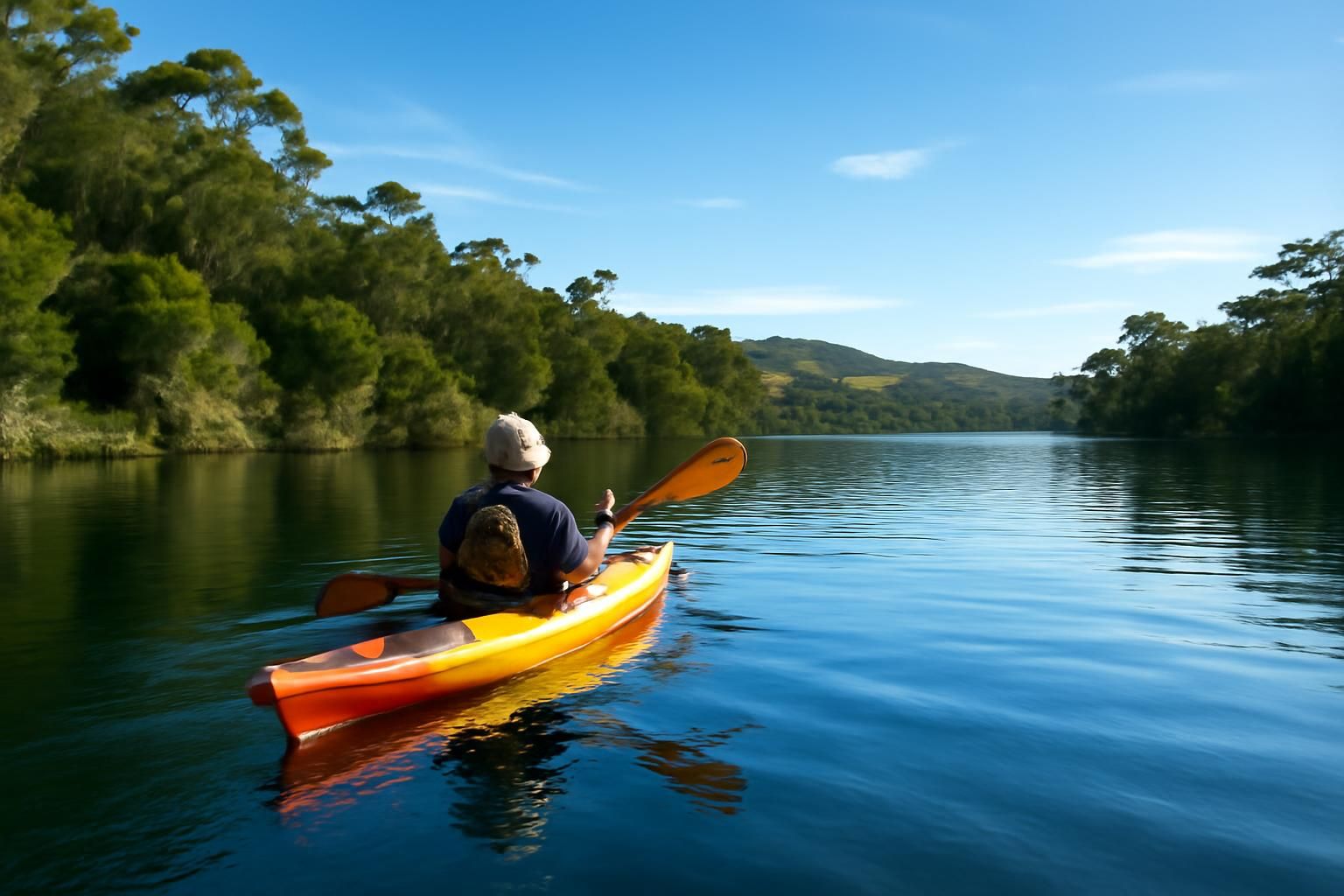
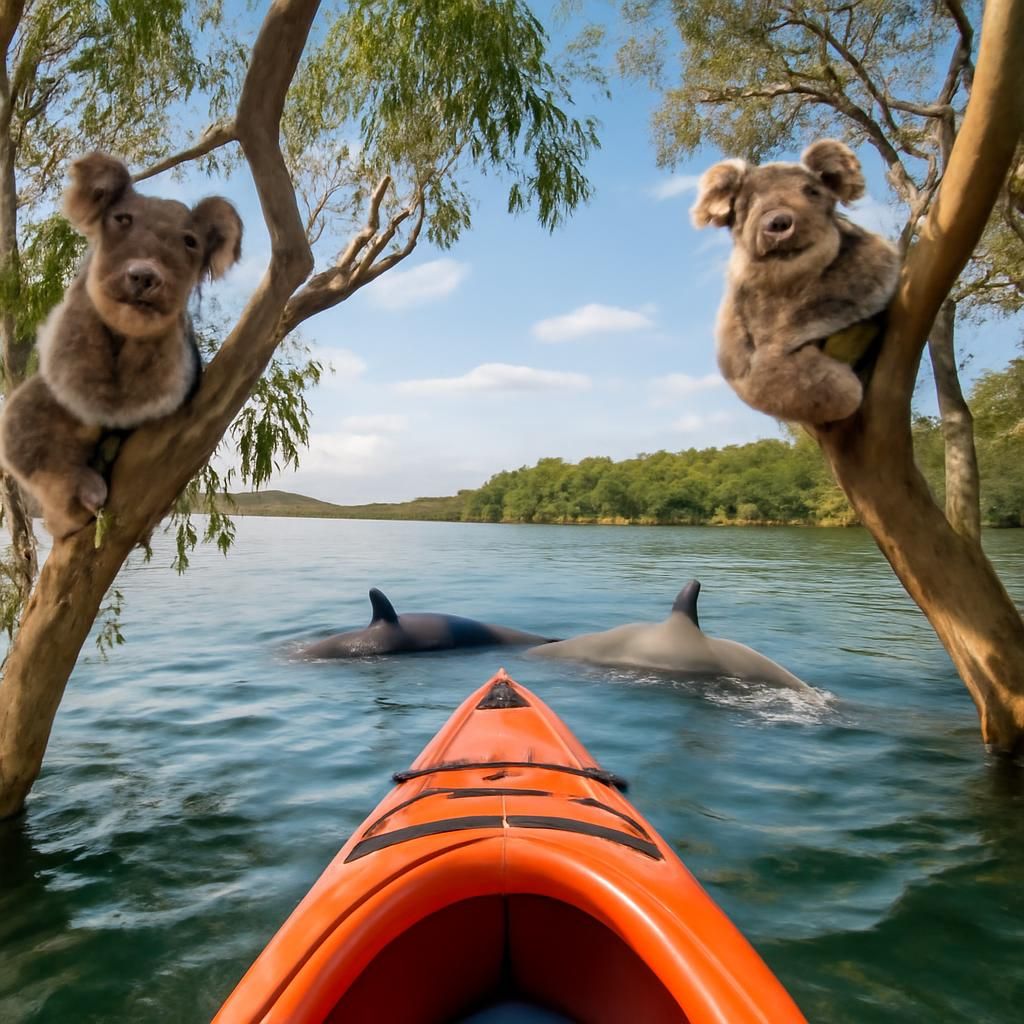
Gippsland’s lakes and rivers present an exceptional tapestry of waterways waiting to be explored by kayak. The allure of this part of Victoria lies in its vast network of calm lakes, meandering rivers, and secluded coves, providing a haven for paddlers seeking an immersive outdoor adventure. As one navigates these waterways, a world of nature unfolds—koalas perched in eucalyptus trees, playful dolphins in the distance, and an abundance of birdlife enhancing the peaceful experience. In 2026, the region remains one of Australia’s top kayaking destinations, celebrated for its blend of tranquil paddling conditions and rich ecological diversity.
For adventurers, Gippsland offers diverse paddling experiences suitable for all skill levels. From gentle lakeside serene journeys to rapid rivers challenging more experienced kayakers, this region invites exploration throughout its interconnected waterways. Paddling tours available in Gippsland, such as the guided 90-minute journeys on silky smooth water or self-guided expeditions through pristine nature reserves, both reveal insights into local history and wildlife. These experiences not only satisfy the thirst for adventure but also deepen appreciation for Gippsland’s natural heritage.
The area’s accessibility coupled with its stunning landscape makes it a compelling destination. Whether touring through the many arms of the Gippsland Lakes, venturing along the Mitchell River, or meandering through smaller tributaries, every route tells its own story. The interplay between water and land provides a unique perspective on the region’s fauna and flora, making kayaking here not just a physical activity but a journey of discovery. This article delves into the details of exploring Gippsland’s lakes and rivers by kayak, offering practical guidance, highlights to watch for, and essential tips for an unforgettable paddling adventure.
Key points to keep in mind:
- Gippsland’s waterways offer a seamless mix of tranquility and wildlife exploration.
- Kayak tours range from beginner-friendly paddling to challenging rapids for seasoned adventurers.
- The region’s ecological richness includes sightings of koalas, seals, dolphins, and diverse bird species.
- Preparation and knowledge of local conditions enhance safety and enjoyment during outdoor adventures.
- Combining kayaking with camping deepens the immersion in Gippsland’s natural settings.
Unveiling Gippsland’s Waterways: Lakes and Rivers Perfect for Kayaking Exploration
Gippsland, stretching across southeastern Victoria, is home to one of Australia’s largest inland waterway systems, covering over 400 square kilometers. Its signature feature, the Gippsland Lakes, comprises a series of interconnected lakes, marshes, and lagoons that offer extensive opportunities for paddling. Kayaking through these lakes allows intimate access to wildlife habitats and quiet bays rarely reached by other means.
The Mitchell River, another gem of Gippsland, offers paddlers a diverse experience. Sections of this river range from placid pools to challenging grade 3 and 4 rapids, catering to both beginners and advanced kayakers. The best time to experience the river is during the drier months from July to December, when water levels stabilize and reveal stunning natural scenery. Furthermore, the Mitchell River’s proximity to Bairnsdale, a local hub, makes it a practical option for day trips or extended canoe and kayak tours.
Alongside the Mitchell River are smaller but equally rewarding waterways such as the Tambo River and Nicholson River. These rivers flow gently through landscapes rich with native forests and farmland, offering varied paddling routes with ample birdwatching and wildlife spotting. Paddlers can expect to see ducks, swans, herons, and occasionally the elusive platypus during calmer stretches.
Exploring Gippsland’s waterways also means venturing close to the coastal edges, where saltwater meets freshwater ecosystems. This environmental mixture factors significantly into the wildlife variety and paddling conditions. For example, the Nooramunga Marine and Coastal Park near Port Welshpool presents sheltered sea kayaking options among mangrove forests and seagrass beds. Here, kayakers can encounter unique marine life while enjoying calm, protected waters.
The diversity of paddling venues in Gippsland promises something for everyone, from tranquil lake routes perfect for beginners to adrenaline-pumping river challenges for the experienced. Travelers may consider combining multi-day kayak expeditions with camping for a deeper connection to the outdoors. National Parks campsites in Gippsland offer basic amenities such as drop toilets, picnic tables, and fireplaces, emphasizing a back-to-nature experience. For those planning a trip, including preparation for weather changes, personal kayaking equipment, and provisions will ensure a comfortable and safe journey.
Essential Skills and Preparation for Kayak Paddling in Gippsland’s Lakes and Rivers
While Gippsland’s lakes and river systems are attractively conducive to exploration by kayak, adequate preparation and skill development are necessary for a safe and enjoyable trip. Paddlers planning to traverse this environment should ideally have completed foundational courses such as a Sea Starter Course or possess equivalent experience to navigate both still and moving waters confidently.
Proper preparation begins with selecting the right kayak and gear. Day trips might require lightweight kayaks, but multi-day excursions benefit from more robust designs with storage space for camping equipment and food. A comprehensive packing list typically includes waterproof dry bags, personal flotation devices, rain gear (both jacket and pants), sleeping bags, cooking utensils, and a compact two-person tent. Hiring equipment locally can be arranged but advance bookings are advisable during peak seasons.
Another critical aspect to consider is understanding local weather patterns and tides. Gippsland’s climate varies seasonally, so knowledge of expected conditions reduces risks of sudden weather challenges on the water. Early morning starts, such as meeting around 8:30 am in southern Gippsland, are common to ensure that paddlers make the most of favorable daytime conditions and avoid afternoon winds.
Safety protocols include always informing someone onshore about the trip schedule and having communication devices like mobile phones or marine radios in waterproof cases. Emergency provisions and first aid kits also contribute to responsible outdoor adventure practices.
For novices aiming to partake in guided tours, operators such as Paddle Paynesville offer organized paddle experiences lasting around 90 minutes, navigating up to 3 kilometers and including stops to appreciate local history and wildlife like seals and dolphins. Such tours provide a controlled environment to build skills while soaking up picturesque sights along the lakes and channels.
Preparation also extends to environmental respect. Kayaking in Gippsland demands mindfulness of the region’s sensitive ecosystems. Paddle trails often traverse National Parks and protected areas, making it essential to adhere strictly to guidelines that minimize wildlife disturbance and environmental impact.
Paddling Routes and Top Kayaking Spots to Discover in Gippsland
The choice of paddling routes in Gippsland is diverse, accommodating all levels of kayakers. Among the most renowned is the Gippsland Lakes Discovery Trail, offering a multi-day journey through a labyrinth of waterways rich in wildlife and scenic beauty. This trail enables adventurers to witness the dynamic interplay of fresh and saltwater habitats and the vast birdlife they support.
Other favorite spots include the rippling white-water sections of the Mitta Mitta River in the Alpine High Plains, which appeal to thrill-seeking kayakers with grade 3 and 4 rapids. For calmer experiences, paddlers often head to the sections near Bairnsdale for shorter day trips in tranquil surroundings.
South Gippsland’s smaller lakes and estuaries provide another excellent option. Near Inverloch, kayakers can explore waters parallel to The Esplanade, where quiet coves and scenic lakeside views encourage leisurely paddling. This route is famed for its accessibility and close proximity to town amenities, perfect for beginners and families alike.
Additionally, the Nooramunga National Park around Port Welshpool and Port Albert offers enclosed sea kayaking opportunities through sheltered wetlands, ideal for birdwatchers and nature enthusiasts. The calm saltwater environment is home to mangroves and fish species typically unseen in open lake areas.
| Kayaking Area | Recommended Skill Level | Highlights | Typical Duration |
|---|---|---|---|
| Gippsland Lakes Discovery Trail | Intermediate to advanced | Expansive waterways, abundant wildlife, multi-day camping | 3-5 days |
| Mitchell River near Bairnsdale | Beginner to advanced (varied sections) | Grade 3-4 rapids, calm pools, birdwatching | Day trips or multi-day tours |
| Inverloch Lakes | Beginner | Peaceful coves, easy access, scenic views | 1-2 hours |
| Nooramunga National Park | Beginner to intermediate | Mangroves, sheltered saltwater paddling, wildlife watching | Half to full day |
Considering these options ensures paddlers can choose journeys tailored to their interests and capabilities, maximizing the rewards of Gippsland’s waterways exploration. Resources and detailed trail maps are available through trusted guides such as Global Paddler’s Gippsland kayak trails.
Visual guides and vlogs from seasoned adventurers offer insightful preparation and inspiration before heading out.
Combining Kayaking with Camping: Immersive Outdoor Adventures in Gippsland
For paddlers who want to extend their time on the water and experience Gippsland’s raw beauty, incorporating camping into the itinerary is highly rewarding. The region caters to outdoor enthusiasts with a collection of National Parks campsites designed for minimal-impact stays.
These campgrounds, located around Gippsland Lakes National Park and other key paddling areas, provide basic facilities such as drop toilets, picnic tables, benches, and open fireplaces. While amenities do not emphasize luxury, they allow for a genuine connection with nature, where nights are filled with sounds of wildlife rather than urban noise.
Planning a multi-day kayak and camping trip requires careful logistics. Participants must bring personal gear, including tents suitable for unpredictable weather, cooking equipment, and enough food as local shopping options may be non-existent during the expedition. Many paddlers arrange hiring of kayaks and camping gear if they travel without their own, though availability can fluctuate in peak seasons.
The benefits of combining paddling with overnight stays include the opportunity to explore remote sections unreachable by day trips and witnessing spectacular sunrises and sunsets over the lakes. Adventurers often praise the balance of physical challenge and serene environment, a hallmark of Gippsland’s natural charm. Those interested in such experiences can find useful insights and suggested equipment lists on dedicated outdoor resource sites like top camping sites in Gippsland for 2026.
Weather is an important factor influencing the choice of camping spots and length of excursion. The paddling season usually peaks in the cooler months when winds are milder, allowing for safer and more enjoyable journeys. Flexibility and readiness to adapt to the outdoors are essential traits for those undertaking these immersive adventures.
Supporting Gippsland’s Ecosystem Through Responsible Kayaking and Wildlife Watching
Gippsland’s waterways are vital habitats hosting a surprising variety of wildlife. Responsible kayaking in these areas means respecting animal territories and maintaining the cleanliness of the environment. The region is home to threatened species, such as the little tern and migratory bird populations, which rely on preserved quiet spaces for feeding and breeding.
Kayakers have the privileged role of observational visitors, with opportunities to see koalas, dolphins, seals, and countless birds. The slow-passing nature of paddling allows for minimal disturbance if conducted considerately. This mindful approach enhances the chance to witness interactions between species and appreciate Gippsland’s biological richness.
Local guides and organized tour groups promote awareness through informative briefings on ecology and the impact of human activities. Following marked trails and avoiding sensitive breeding sites helps ensure that future generations continue to enjoy this natural wonderland. Responsible paddlers also practice ‘Leave No Trace’ principles, packing out all waste and limiting footprint on fragile shorelines.
- Maintain a distance from wildlife to avoid stress or interference.
- Avoid paddling during dawn or dusk near bird nesting areas.
- Use environmentally friendly gear and avoid pollutants.
- Stay on established kayaking routes to protect fragile habitats.
- Support local conservation initiatives by choosing ecotourism operators.
Engaging with Gippsland’s natural environment through thoughtful kayaking promotes a lasting bond between adventurers and the region. For those interested, further ecological insights and details on the biodiversity of Gippsland’s National Parks can be found at Gippsland National Parks wildlife exploration.
What is the best time of year to kayak in Gippsland Lakes?
The optimal kayaking season in Gippsland is typically from July to December when water levels are stable and weather conditions are favorable for safe and enjoyable paddling.
Do I need prior kayaking experience to explore Gippsland’s rivers and lakes?
While some gentle routes are beginner-friendly, it is recommended to have completed foundational kayaking training such as a Sea Starter Course to safely enjoy the diverse conditions found in Gippsland.
Are there guided kayaking tours available in Gippsland?
Yes, multiple operators offer guided paddling tours including short 90-minute sessions and multi-day expeditions, providing a safe and informative way to experience Gippsland’s waters.
Can I camp while kayaking in Gippsland?
Camping is a popular complement to kayaking in the region, with National Parks campsites providing basic facilities. Proper preparation and gear are essential for a safe overnight trip.
What wildlife might I encounter while kayaking in Gippsland?
Kayakers often see koalas, dolphins, seals, numerous bird species, and sometimes platypus, depending on the waterway and time of year.