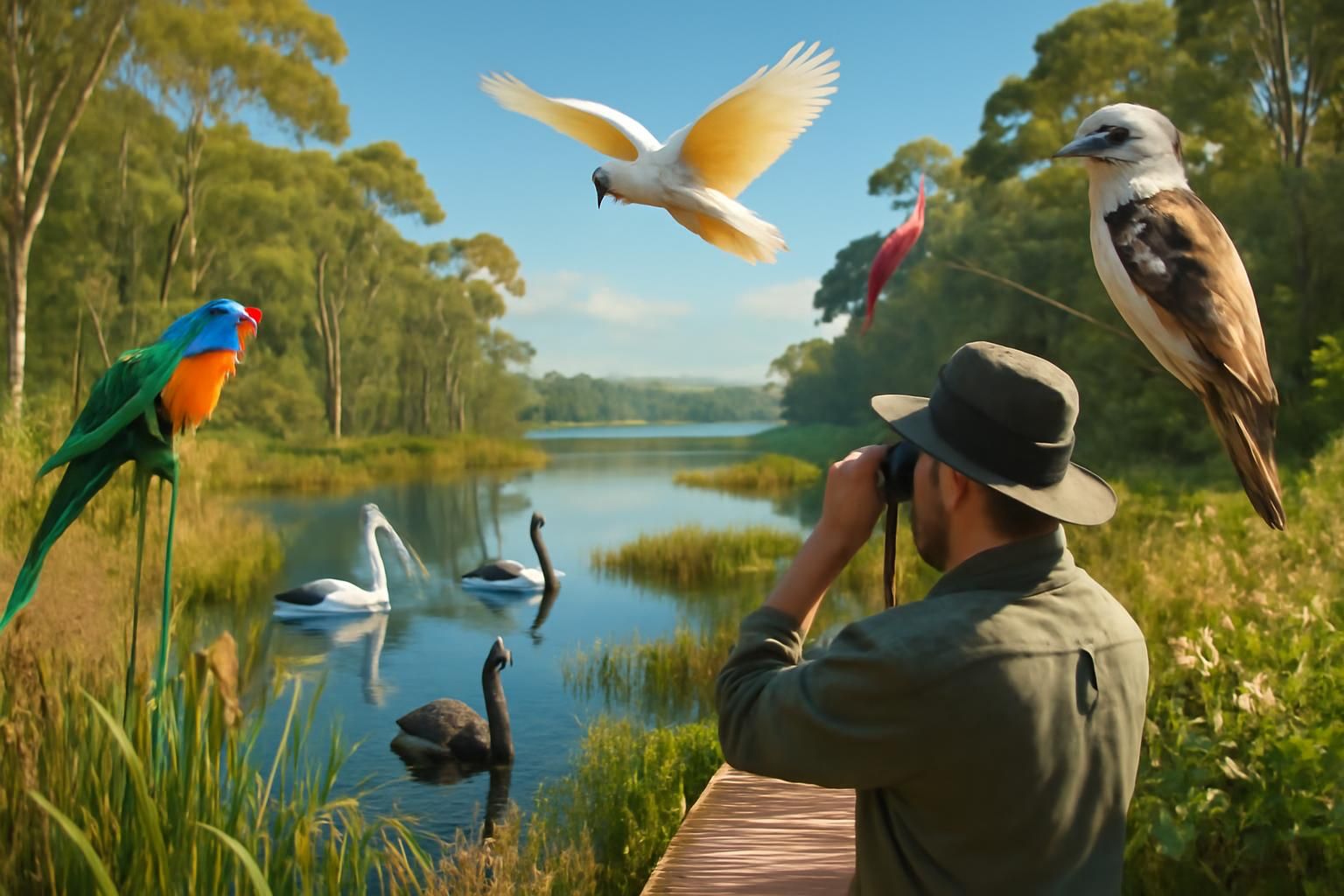
Gippsland stands as a premier destination for birdwatching lovers, renowned for its rich mosaic of natural habitats that support a dazzling diversity of bird species. Stretching across southeastern Victoria, this vast region unfolds a variety of ecosystems—from pristine wetlands to dense woodlands and coastal reserves—that create ideal conditions for both resident and migratory birds. Outdoor enthusiasts find Gippsland especially captivating as it offers unrivaled opportunities to observe wildlife amidst stunning landscapes, making every birdwatching adventure an immersive encounter with nature.
One of Gippsland’s most compelling features is its role as a critical habitat for migratory birds. Each year, thousands of birds traverse incredible distances, some flying non-stop over 10,000 kilometers to reach these welcoming wetlands. The Gippsland Lakes Ramsar Site, recognized internationally for its ecological importance, supports over 90 bird species, serving as an essential stopover and breeding ground. This phenomenon highlights Gippsland’s global significance in bird conservation and adds a thrilling dimension to birdwatching activities, attracting experts and amateurs alike from across the world.
Beyond migratory marvels, Gippsland’s extensive range of habitats fosters a sustained presence of myriad bird species year-round. From the elusive Crested Shriketit in the woodlands to the vibrant waterfowl in coastal lagoons, birders can expect sightings that spark awe and deepen appreciation for wildlife. The region’s commitment to preserving natural habitats ensures that birdwatchers are treated to authentic encounters with unspoiled nature, complemented by opportunities for hiking, photography, and ecological tours that enrich the overall experience.
For anyone passionate about birdwatching, Gippsland offers not just the thrill of spotting rare or endangered species, but a profound connection to the rhythms of the natural world. The landscape itself tells a story of resilience and biodiversity, where conservation efforts interweave with recreational activities, enabling sustainable outdoor adventures. Visitors gain more than just sightings; they immerse in a landscape that nurtures life and celebrates the avian wonders intrinsic to Gippsland’s identity.
This article delves deeply into why Gippsland is ideal for birdwatching lovers by exploring its unique ecological characteristics, showcasing key birdwatching sites, detailing the variety of habitats, highlighting migratory bird phenomena, and illustrating how the region integrates conservation with sustainable outdoor activities. Such an examination illuminates the captivating allure Gippsland holds for birdwatching enthusiasts and the broader nature-loving community.
Key Highlights:
- Gippsland’s diverse ecosystems support a vast number of bird species, both resident and migratory.
- The Gippsland Lakes Ramsar Site is a critical wetland attracting over 90 bird species annually.
- Unique habitats including woodlands, wetlands, and coastal reserves enable varied birdwatching experiences.
- Conservation efforts intertwine with outdoor activities, promoting sustainable wildlife tourism.
- Famous locations such as Swallow Lagoon Nature Reserve and East Gippsland offer rich wildlife encounters.
- Extensive trails and guided tours provide educational and immersive opportunities for birdwatching lovers.
Ecological Richness of Gippsland: A Haven for Bird Species
Gippsland’s ecological diversity is the backbone of its reputation as a birdwatcher’s paradise. The region’s geography encompasses an impressive variety of habitats ranging from sprawling wetlands and dry sclerophyll forests to temperate rainforests and coastal heathlands. This diversity creates micro-environments where a multitude of bird species can thrive, each adapted to specific habitat conditions.
The wetlands, particularly the Gippsland Lakes—which include lakes Wellington, Victoria, and Reeve—are paramount. These Ramsar-listed wetlands provide vast feeding grounds for migratory shorebirds such as the Bar-tailed Godwit, which famously undertakes one of the longest uninterrupted flights during migration. The richness of these wetland areas attracts not only migratory birds, but also resident species like the Australasian Bittern, an elusive and endangered bird that prefers densely vegetated freshwater wetlands.
Meanwhile, the woodlands are a rich tapestry of eucalypt forests interspersed with creeks and heathlands. Species such as the Crested Shriketit, the Gang-gang Cockatoo, and the Superb Lyrebird find refuge here. These birds, often shy and cryptic, offer a rewarding challenge to birdwatchers seeking to observe species off the beaten track. Gippsland’s varied habitats also include pockets of temperate rainforest, which support rare species like the Olive Whistler and the Rufous Fantail, demonstrating the region’s layered biodiversity.
Coastal zones provide yet another distinct environment. Shorebirds, seabirds, and waterfowl use the extent of Gippsland’s coastline for nesting and feeding. Species such as the Fairy Tern, Little Pied Cormorant, and various species of oystercatchers can be observed along tidal flats and rocky shores. This dynamic coastal habitat contributes to the richness of Gippsland’s bird life and ensures year-round opportunities for observation.
Moreover, Gippsland acts as a critical ecological corridor connecting several protected areas and reserves, fostering genetic diversity and movement among bird populations. This landscape connectivity is vital for long-term conservation as it allows birds to adapt to environmental changes. Such natural infrastructure is essential for maintaining the health of bird populations and the resilience of ecosystems amid climatic shifts.
Given this ecological complexity, Gippsland attracts biologists, conservationists, and birdwatching lovers who value the opportunity to observe extensive species diversity within relatively close proximity. It exemplifies how diverse landscapes, coupled with robust conservation programs, can support flourishing wildlife communities.
Example: The Role of Gippsland Lakes Ramsar Site in Bird Conservation
The Gippsland Lakes not only represent a dramatic scenic destination but are also a lifeline for numerous bird species. Being a Ramsar-listed site means it is recognized internationally for wetlands of significant ecological value. Birdwatchers at this site can expect to see over 90 bird species, including migratory waders, waterfowl, and raptors.
The site provides essential staging grounds during migration when birds need to refuel and rest after arduous flights. The health and maintenance of these wetlands directly influence the success of global migratory bird populations. Conservation actions, such as controlling invasive species and managing water levels, have been pivotal in safeguarding this habitat.
This concerted management effort enhances not only biodiversity but also the birdwatching experience. Visitors are afforded abundant opportunities to spot rare and threatened species, underscoring why Gippsland is a magnet for nature enthusiasts.

Top Birdwatching Sites in Gippsland for Enthusiasts
Gippsland boasts several renowned birdwatching locations, each presenting unique opportunities to connect with nature and observe an array of bird species. To make the most of your visit, it is essential to explore diverse settings that cater to different bird habitats.
Swallow Lagoon Nature Reserve is considered a highlight for bush birdwatching. This 200-hectare reserve features a mixture of habitat types including woodlands and wetlands, offering a rich terrestrial orchid flora alongside a wide variety of birds. Crested Shriketit, known for its striking plumage and distinctive call, can often be spotted here. Birdwatchers delight in the variety and relative accessibility of this reserve, making it a perfect destination for both novice and experienced birders.
The coastal haven of The Gippsland Lakes offers yet another remarkable birdwatching experience. Essential for migratory birds, the lakes host impressive congregations of both shorebirds and waterfowl. Birdwatchers can witness the annual spectacle of migratory birds preparing for their epic flights, an awe-inspiring natural event.
For those seeking forest birding, East Gippsland stands out. The forests in this area are celebrated for their dense biodiversity, including threatened species. Guided tours offered by companies such as Wild East Gippsland provide in-depth knowledge about the avifauna and the forest ecosystems, creating enriching and responsible wildlife experiences.
Beyond these focal spots, many other locations across Gippsland invite birdwatchers to discover hidden gems. Exploring less well-known patches of habitat often yields surprising encounters with rare or elusive species, rewarding those willing to venture off the main trails.
For a comprehensive guide to these diverse birding sites, enthusiasts can consult specialized resources like Birding Victoria’s Gippsland section, which detail locations, seasonal highlights, and species checklists to optimize birdwatching expeditions.
Essential Gear and Tips for Birdwatching in Gippsland
Success in spotting Gippsland’s birdlife is often enhanced by proper preparation. Using binoculars or spotting scopes improves visual clarity and comfort during observation. Field guides specific to Victorian bird species help in accurate identification.
Additionally, understanding seasonal patterns, such as migration timing or breeding seasons, can greatly increase the likelihood of encountering specific species. Early mornings are often best for spotting active birds. Birdwatchers should also respect local environments and wildlife by following ethical guidelines, minimizing noise, and avoiding habitat disturbance.
Understanding the Significance of Migratory Birds in Gippsland
Migratory birds are among the most remarkable inhabitants of Gippsland’s ecosystems. Their presence is both a testament to the region’s conservation value and a highlight for birdwatchers from around the globe. These birds undertake extraordinary journeys, relying on Gippsland’s wetlands and coastal reserves as critical stopover points for nourishment and rest.
One iconic example is the Bar-tailed Godwit, which migrates between Alaska and Gippsland. This species exemplifies the extremes of migratory endurance, traveling non-stop over vast oceanic distances. Gippsland’s wetlands provide the vital resources required for such demanding flights, emphasizing the interconnectedness of global ecosystems.
Migratory birds also contribute to biodiversity by adding seasonal variety to the resident species. Their arrival often signals the changing of seasons and coincides with unique ecological interactions such as feeding flocks or breeding behaviors observable only during certain times of year. Studying these patterns affords insights into ecological health and helps conservationists anticipate changes linked to climate variability.
Protection of migratory pathways and habitats in Gippsland is a focus of many conservation initiatives, supported by organizations like BirdLife East Gippsland. These efforts ensure that birdwatching lovers can continue to experience the vibrancy of migratory birds and that these species thrive for generations to come.
By understanding migratory bird dynamics, observers gain a deeper appreciation for Gippsland’s role in the global bird network. This knowledge also inspires responsible tourism and community involvement in conservation.
Integrating Birdwatching with Outdoor Activities and Conservation Efforts
Gippsland seamlessly merges birdwatching with other outdoor activities, fostering a culture of sustainable interaction with nature. Hiking, kayaking, and cycling are popular pursuits that complement birdwatching excursions, allowing enthusiasts to explore different vantage points and habitats while appreciating diverse wildlife.
Numerous trails wind through Gippsland’s varied landscapes, from gentle lakeside paths to rugged forest routes. These trails not only facilitate wildlife observation but also support physical well-being and environmental education. For adventure seekers looking to heighten their wildlife encounters amid physical activity, Gippsland delivers an unbeatable combination of challenge and natural beauty.
A key aspect of Gippsland’s appeal is its commitment to conservation education. Programs and guided tours often emphasize ethical birdwatching practices and the importance of protecting habitats. Organizations promote awareness of environmental threats such as habitat loss, invasive species, and climate change impacts, encouraging visitors to contribute positively to conservation outcomes.
By intertwining recreation with stewardship, Gippsland nurtures a community of knowledgeable wildlife enthusiasts who are better equipped to advocate for sustainable land use. This holistic approach enhances both the quality of outdoor experiences and the long-term viability of the habitats on which bird species depend.
- Respect local wildlife and maintain distance during birdwatching.
- Use binoculars and field guides to improve observation and identification.
- Follow seasonal patterns to increase chances of viewing rare species.
- Participate in guided tours to learn about bird ecology and conservation.
- Engage in conservation efforts and support local environmental organizations.
| Habitat Type | Notable Bird Species | Best Time for Observation | Recommended Sites |
|---|---|---|---|
| Wetlands | Bar-tailed Godwit, Australasian Bittern, Fairy Tern | March to May (migration season) | Gippsland Lakes Ramsar Site |
| Woodlands & Forests | Crested Shriketit, Gang-gang Cockatoo, Superb Lyrebird | Year-round | Swallow Lagoon Nature Reserve, East Gippsland forests |
| Coastal Reserves | Little Pied Cormorant, Oystercatchers, Fairy Tern | Spring and Summer | Gippsland coastline and coastal marine reserves |
Joining the Community of Birdwatching Lovers in Gippsland
For those captivated by birdwatching, Gippsland offers a welcoming community and a continuous source of inspiration. Various local organizations and clubs foster a spirit of collaboration, sharing knowledge and passion for avian life and conservation. BirdLife East Gippsland, for example, actively promotes bird appreciation and habitat preservation, connecting birdwatchers with scientists and policymakers.
Workshops, citizen science projects, and guided excursions provide avenues for learning and contribute to meaningful conservation outcomes. Beginners can find mentoring opportunities, while seasoned birders enjoy exchanging observations and strategies. This community spirit enriches the experience beyond solo observation, creating bonds that enhance understanding and advocacy.
Moreover, Gippsland’s community outreach includes engaging visitors about the region’s biodiversity significance and encouraging stewardship of natural resources. Such initiatives underscore the role of birdwatching not only as a recreational activity but as a catalyst for environmental responsibility and cultural identity.
Whether visiting for a weekend or planning an extended stay, birdwatching lovers discover in Gippsland both an extraordinary natural laboratory and a vibrant social hub dedicated to sustaining the avian heritage and natural beauty of this remarkable region.
Visitors interested in further exploring Gippsland’s natural wonders can also check notable adventure options and wildlife excursions on a variety of platforms, including best wildlife experiences in Gippsland and hidden natural spots across Gippsland.
What is the best time of year for birdwatching in Gippsland?
The migration season between March and May offers spectacular birdwatching opportunities, especially for migratory species stopping over at wetlands. However, many woodland and coastal birds can be observed year-round.
Are guided birdwatching tours available in Gippsland?
Yes, several organizations, including Wild East Gippsland, offer guided tours that provide educational insights and improve chances of spotting various bird species.
How does Gippsland contribute to migratory bird conservation?
Gippsland’s wetlands serve as crucial rest and feeding areas for migratory birds on their long journeys, protected under international agreements like the Ramsar Convention.
Which equipment is recommended for birdwatching in Gippsland?
Binoculars or spotting scopes, along with field guides specific to Victorian bird species, are highly recommended to enhance identification and viewing experiences.
Can birdwatching be combined with other outdoor activities in Gippsland?
Absolutely. Hiking, kayaking, and cycling are popular activities that allow visitors to access various bird habitats while enjoying Gippsland’s diverse landscapes.