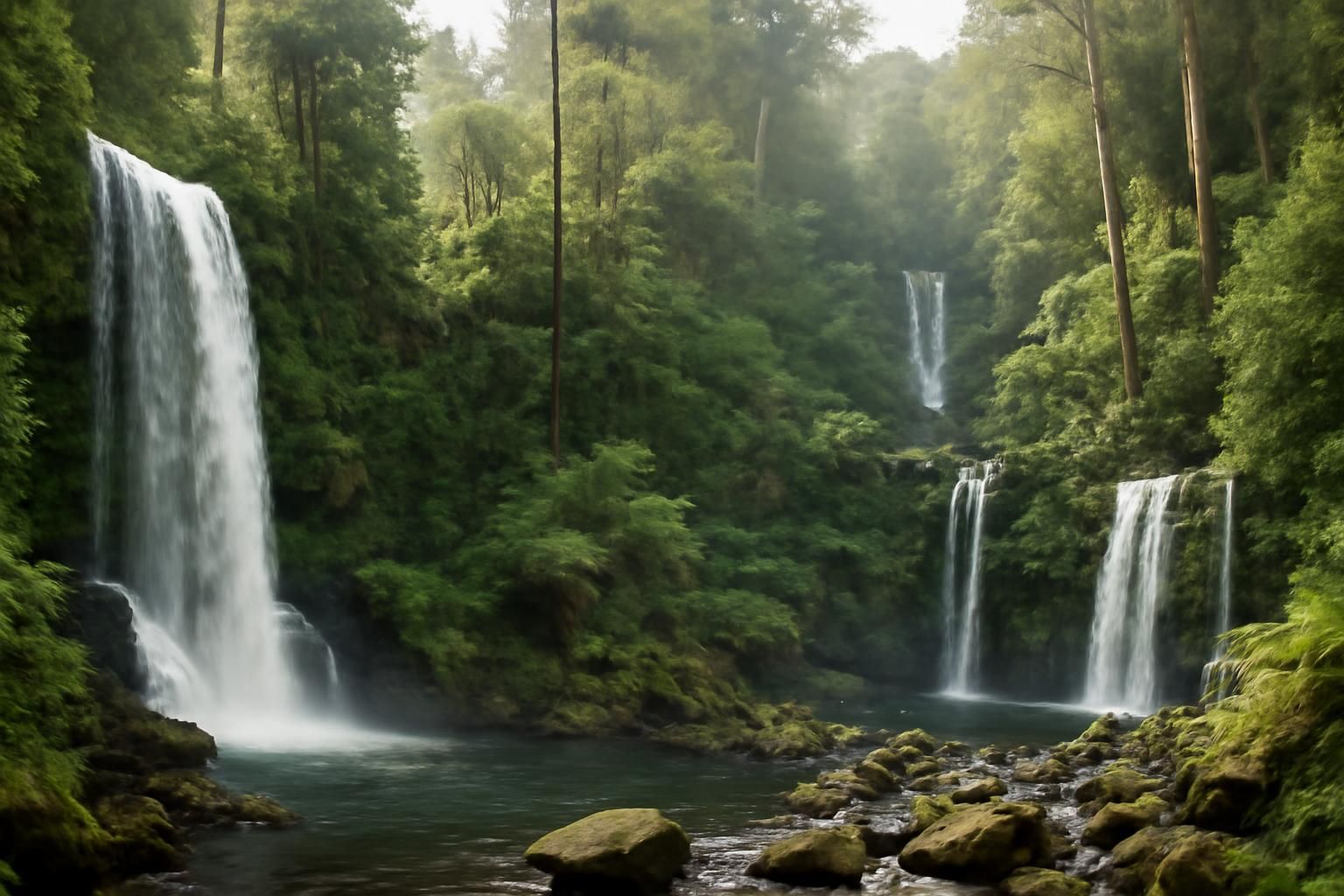
Gippsland, a region in southeastern Victoria, Australia, captivates travelers with its diverse and enchanting waterfalls. Nestled amidst dense rainforests, alpine ranges, and serene river valleys, this natural wonderland offers a range of landscapes that showcase the dynamic beauty of water cascading over rocks into tranquil pools below. Gippsland’s waterfalls are more than just scenic sights; they represent an invitation to immerse oneself in nature, slacken the pace of daily life, and embark on hiking adventures through some of Australia’s most pristine environments.
Whether you’re an avid hiker or a casual nature enthusiast, the region’s waterfalls provide a perfect blend of outdoor adventure and serene landscapes. These falls cascade, plunge, and trickle through ancient forests, mountain ash groves, and spectacular gorges, often flanked by dense ferns and native wildlife. Travelers can enjoy everything from leisurely day trips to multi-day hikes under starlit skies, making Gippsland a premier destination for tourism centered on nature and discovery.
Key Highlights:
- Gippsland’s waterfalls are scattered across various national parks and reserves, offering diverse hiking and scenic experiences.
- Spring and post-rain periods are ideal for witnessing the waterfalls at their most powerful and photogenic.
- Visitors can combine waterfall visits with wildlife watching, picnicking, and camping for a full nature immersion.
- Many waterfalls are accessible by well-marked trails suitable for hikers of all experience levels.
- The region is recognized for its rich biodiversity and stunning landscape, perfect for travel enthusiasts seeking authentic outdoor adventure.
Exploring Gippsland’s Waterfalls: Scenic Trails and Hiking Adventures
The fascinating variety of Gippsland’s waterfalls can be discovered through an extensive network of hiking trails that weave through rainforests, mountains, and river gorges. These trails range from gentle strolls suitable for families to more challenging treks for seasoned hikers. One iconic example is the trails around Tarra Bulga National Park, where visitors encounter the serene Tarra Falls, enveloped by towering mountain ash and mossy rocks, creating an ethereal, emerald-hued forest atmosphere.
Hiking to Gippsland’s waterfalls offers more than just the visual thrill of cascading water. The routes provide an opportunity to witness native flora and fauna thriving in their natural environment. Birdlife, small marsupials, and unique plant species are a constant companion on these journeys. As you traverse the varied terrain, the atmosphere shifts with every bend in the path, offering different perspectives of the landscape and revealing hidden pools or quieter stream flows. These elements turn each waterfall site into a distinct outdoor adventure.
Seasonality plays a significant role in the experience. For instance, spring is widely regarded as the best time to see waterfalls in full flow thanks to increased rainfall and snowmelt from Gippsland’s alpine regions. The combination of this seasonal effect with the lush vegetation produces spectacular scenes often sought after by photographers and nature lovers alike. It is recommended to check updated local guides to ensure safe trail conditions and to identify the prime waterfalls to visit during your trip.
For those interested in planning their hiking calendar, authoritative information is regularly maintained by tourism boards such as Visit Victoria’s hiking and walking guide to Gippsland, which provides trail maps, difficulty ratings, and insider tips to optimize your waterfall exploration.
Diverse Waterfall Landscapes: From Alpine Cascades to Coastal Gorges in Gippsland
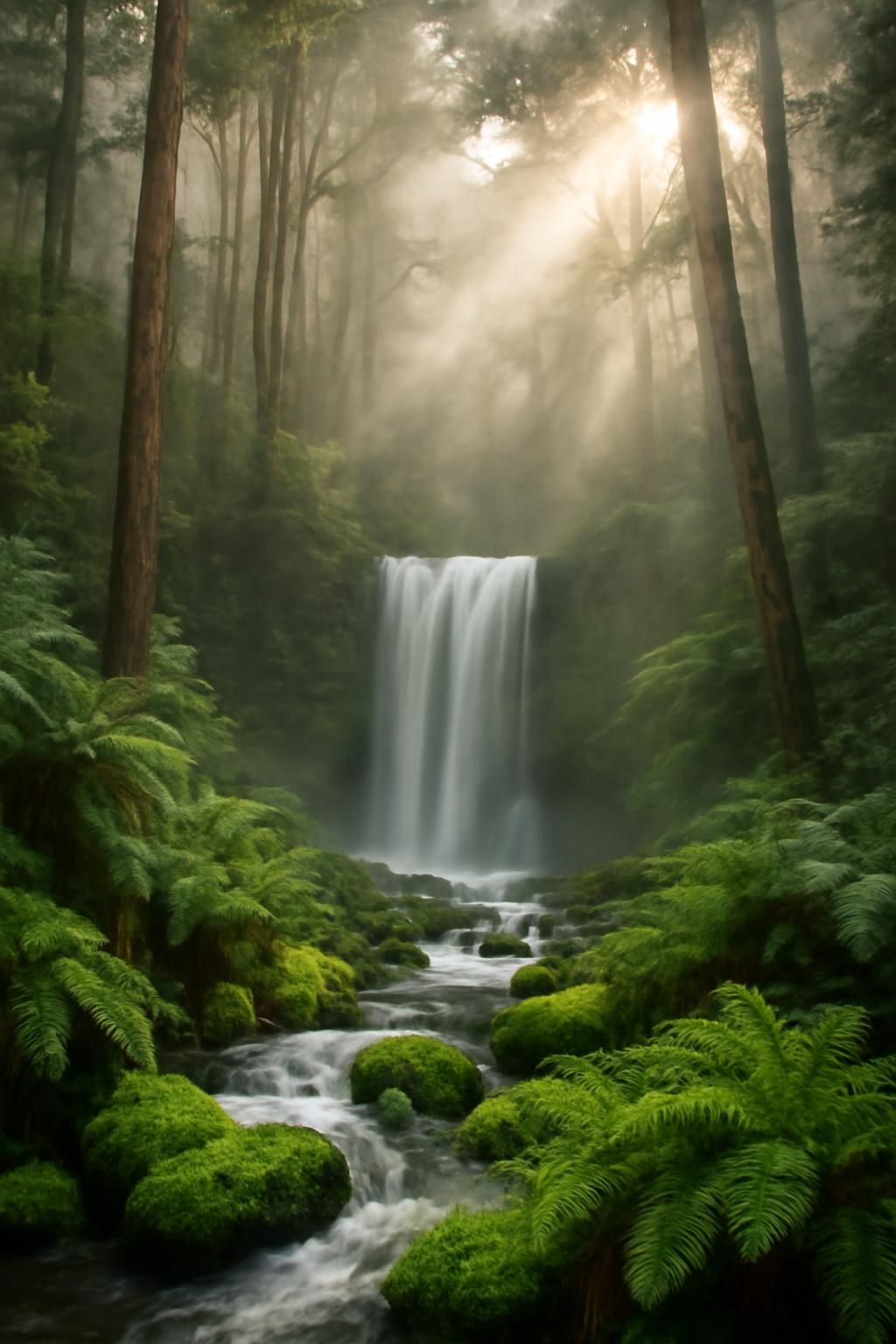
Gippsland’s waterfalls present a remarkable range of landscapes, reflecting the region’s ecological diversity. Alpine waterfalls, such as those found in the Great Dividing Range, cascade over rugged cliffs with snow melt contributing to their volume during late spring. In contrast, coastal waterfalls closer to the Gippsland Lakes and coastline tend to be more gentle, with water flowing over smooth rocks into tidal forests, blending the freshwater and marine ecosystems uniquely.
A prime example of this ecological variety is found in the Strzelecki Ranges, where small streams rush down steep hills, creating delicate waterfalls surrounded by old-growth forest. These hidden gems are less frequented and offer a more isolated experience for visitors seeking tranquil solitude amidst nature’s sounds.
Meanwhile, the western Gippsland region’s waterfalls are embedded in extensive river systems, including the magnificent Snowy River, which travels from alpine areas through fertile plains to the sea. This river’s flow shapes several dramatic falls and rapids throughout the landscape, drawing enthusiasts interested in kayaking and river exploration alongside waterfall hiking.
Understanding this range enriches a traveler’s appreciation of Gippsland’s natural beauty, as each waterfall carries its own narrative woven into the broader ecological tapestry. To deepen knowledge of these sites, visitors can explore resources like the comprehensive overview of the best waterfalls in Gippsland, where details about each site’s landscape, access routes, and best visiting times are carefully outlined.
The mixture of alpine, forest, and coastal waterfall environments makes Gippsland a remarkable destination for nature lovers interested not only in the visual appeal but also in the scientific diversity present in these habitats.
Integrating Waterfall Tourism with Conservation and Outdoor Recreation in Gippsland
The surge of tourism to Gippsland’s waterfalls has spurred a strong emphasis on sustainable outdoor recreation and conservation. Local authorities and environmental groups collaborate to maintain walking trails, protect surrounding habitats, and educate visitors on minimizing their ecological footprints. Preservation efforts focus on maintaining the health of waterways critical to the region’s numerous waterfalls and the native species dependent upon them.
Visitors embarking on waterfall hikes are encouraged to adhere to “Leave No Trace” principles, ensuring that natural environments remain undisturbed for future generations. Signage and guides provided at parks often include instructions on staying on dedicated tracks to prevent soil erosion and protect surrounding ferns and mosses that thrive in the moist waterfall microclimates.
Camping is another popular activity associated with these adventures. Areas adjacent to key waterfalls offer designated campsites combining convenience with natural immersion. Under the starry Gippsland sky, campers can hear the soothing sounds of distant waterfalls blending with the nocturnal calls of native wildlife. This experience encapsulates the spirit of outdoor adventure that Gippsland fosters, balancing enjoyment with responsibility.
For those wanting to deepen their connection with nature, guided tours often integrate waterfall visits with wildlife observation in nearby national parks. These tours enhance understanding of Gippsland’s biodiversity, including species unique to the region’s rainforest and alpine zones. Insights gained help visitors appreciate the interconnectedness between water systems and wildlife habitats, reinforcing the value of conservation-focused travel.
Organized tourism also supports local economies, making Gippsland’s natural heritage a vital component of regional development. Aspiring adventurers can find more comprehensive guidelines on rivers and waterfall experiences in Gippsland, which emphasize responsible tourism and the range of outdoor activities available.
Planning Your Trip: Essential Tips for Visiting Gippsland’s Waterfalls
To maximize a journey through Gippsland’s waterfalls, careful planning is essential, especially regarding timing, gear, and itinerary. Waterfall flow rates differ drastically with weather conditions, so aligning travel dates with recent rainfall or the spring snowmelt season ensures awe-inspiring views. Adequate hiking shoes, waterproof clothing, and navigation tools are indispensable for comfortable and safe exploration.
Access to waterfalls varies from fully accessible paths suitable for families to rugged mountain hikes requiring fitness and experience. Researching trail difficulty and reading current visitor reviews can help travelers choose locations matching their skill levels. Moreover, some waterfalls are included in multi-day hiking circuits offering camping and picnic spots, ideal for adventurers seeking an immersive nature experience.
Food and water supplies should be planned ahead, as facilities near waterfall sites are often limited. Protecting the environment also means packing out all waste and avoiding the temptation to disturb flora and fauna. Local tourism providers often recommend combining waterfall visits with other Gippsland attractions, such as nearby nature reserves, wildlife sanctuaries, and historic towns.
An outlined summary of recommended preparation steps includes:
- Check seasonal conditions and rainfall to predict waterfall flow.
- Choose trails suited to your hiking experience and fitness.
- Carry appropriate clothing, footwear, and safety gear.
- Plan food and water needs, considering limited facilities.
- Respect all conservation guidelines to protect the environment.
Additionally, the increasing popularity of Gippsland’s waterfall tourism highlights the importance of booking accommodations and tours in advance during peak seasons. Resources such as top-rated tourist activities in Gippsland’s outdoor scene offer valuable insight and user reviews to aid travel planning.
The most notable waterfalls in Gippsland: A comparative overview
| Waterfall Name | Location | Type | Best Visiting Season | Hiking Difficulty |
|---|---|---|---|---|
| Tarra Falls | Tarra Bulga National Park | Fern-draped cascade | Spring and post-rainfall | Easy walk |
| McKillops Falls | Brown Mountain Creek | Powerful plunge | Spring | Moderate hike |
| Morwell Falls | Gippsland Lakes region | Trickling cascade | Autumn and winter | Accessible |
| Toorongo Falls | Toorongo Forest Road | Twin falls cascade | Spring | Easy to moderate |
| Little River Falls | Strzelecki Ranges | Secluded stream drop | Spring to early summer | Challenging hike |
When is the best time to visit Gippsland’s waterfalls?
The prime time to witness the full spectacle of waterfalls in Gippsland is during spring and after significant rainfall, as these conditions provide increased water flow and lush surrounding vegetation.
Are the waterfall trails suitable for beginners?
Many of Gippsland’s waterfall trails are well-marked and offer easy walks suitable for families and beginner hikers, but some sites require more advanced hiking skills. Researching trail difficulty beforehand is advised.
Can I camp near Gippsland’s waterfalls?
Yes, several designated camping areas are located near popular waterfalls, providing an immersive nature experience while adhering to conservation guidelines.
How can I contribute to the conservation of Gippsland’s natural sites when visiting?
Visitors should follow ‘Leave No Trace’ principles by staying on marked paths, carrying out all waste, and respecting wildlife and vegetation to preserve these sites for future generations.
Where can I find reliable information to plan my trip to Gippsland’s waterfalls?
Trusted travel guides and official tourism websites like Visit Victoria and Visit Gippsland offer up-to-date details on trails, weather conditions, and local regulations.